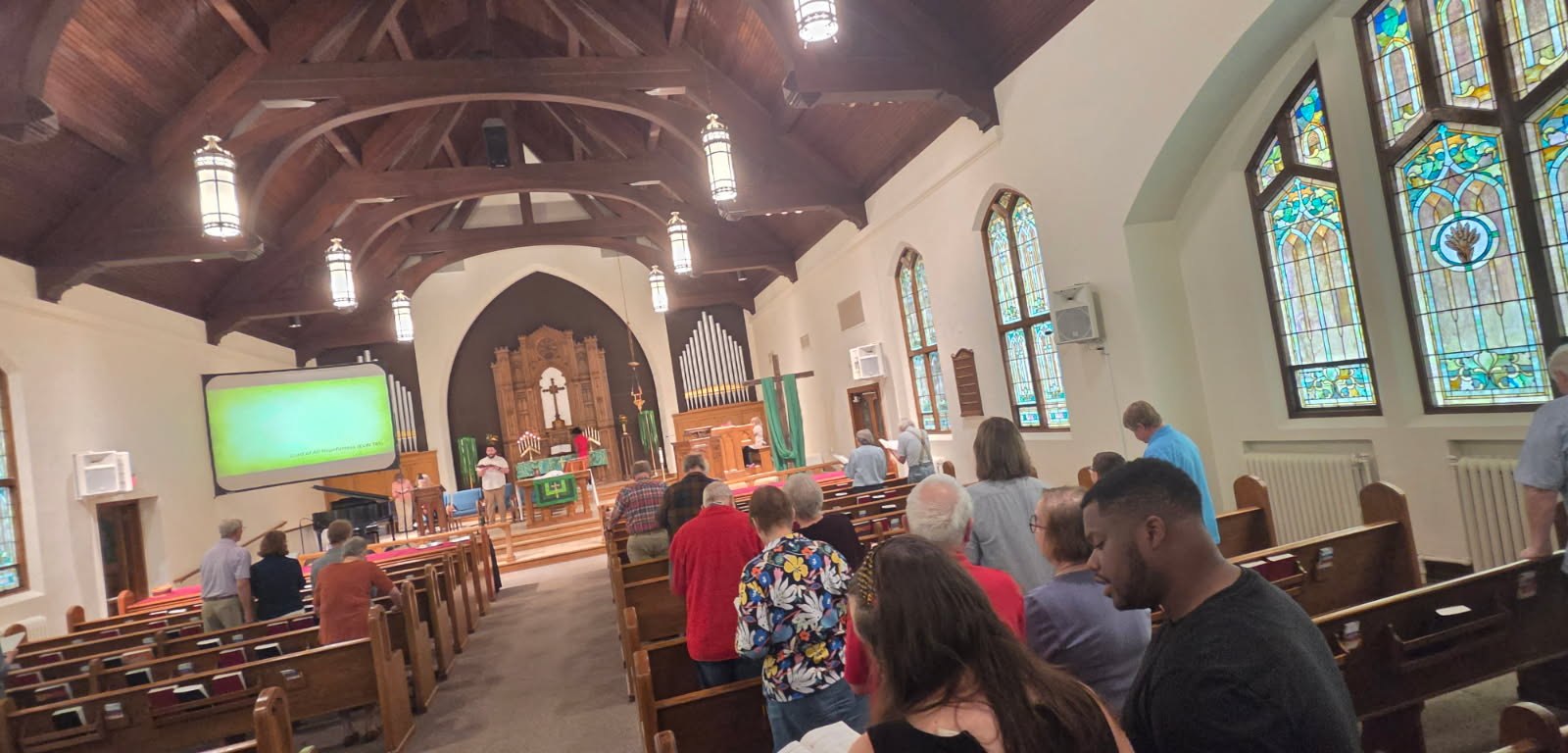
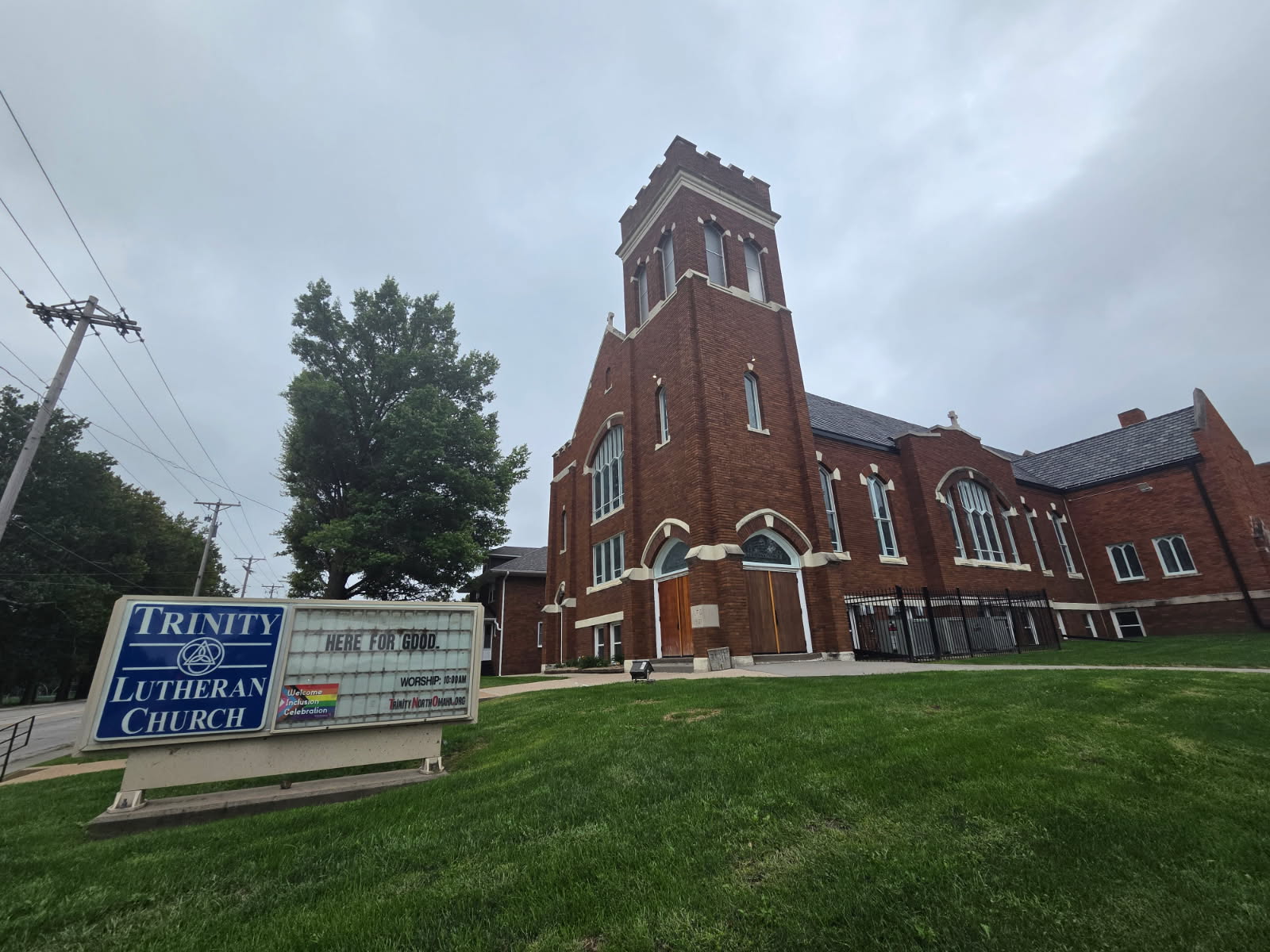
I had the privilege of being with God’s beloved gathered as Trinity Lutheran Church in Omaha, Nebraska on Sunday September 20, 2026. Thank you Pastor Jon Gathje for the invitation and to the whole congregation for the warm welcome. In being with the congregation I was invited to come and preach on stewardship and share a word of greeting from the Bishop as well as a word of gratitude for all of the ministry that the congregation is part of by being part of the Nebraska Synod and Evangelical Lutheran Church in America. It was a wonderful morning to greet the people of God, to dig into God’s word, and wonder about what God might be up to and inviting next. What follows is the majority of the manuscript that I preached from. The sermon was based primarily on Matthew 20:1-16, the appointed gospel lesson in the revised common lectionary for the 17th Sunday after Pentecost this year, Lectionary 25A/Proper 20. To view a recording of worship, or to listen to the sermon, you may do so via a recording of the congregation’s livestream available from its Facebook page here: https://www.facebook.com/plugins/video.php?height=314&href=https%3A%2F%2Fwww.facebook.com%2FTrinityNorthOmaha%2Fvideos%2F1708076311115154%2F&show_text=true&width=560&t=0.
Grace and peace from God in Christ, who is with you, for you, and who loves you. Amen.
Situating the Story
We hear a familiar story today from Jesus, don’t we? It might not be a parable we like to hear at times. But we know this story. Jesus tells it to the disciples and all who might hear, while on the path to Jerusalem. I think it’s important though to briefly describe the scene and to situate today’s story. Jesus tells this parable about the laborers in the vineyard shortly after being asked by a neighbor, “what good deed must I do to have eternal life?”[1] We know Jesus’ reply to that question. We know the importance of keeping the commandments, and how Jesus affirms that answer, but then he adds one other piece, to sell one’s possessions and give the money to the poor, to those who are in need.[2] The one who started the conversation asking the question about eternal life, ultimately went away grieving for they had many possessions. We know that story too.
But between that story and today’s story, we hear a dialogue between Jesus and the disciples. Jesus says, “Truly I tell you, it will be hard for a rich person to enter into the kingdom of heaven…it is easier for a camel to go through the eye of a needle than for someone who is rich to enter the kingdom of God.”[3] The disciples, much like most every steward and disciple including perhaps all of us today, take offense at this, saying they have left everything to follow Jesus. But they still have much to learn. Jesus knows time is running short, so he’s doing a lot of teaching on the road to Jerusalem. Teaching about hard truths, relationships, sin, brokenness, and most importantly the kingdom of God. To the back and forth with the disciples, Jesus concludes with the statement he will repeat in today’s story, “But many who are first will be last, and the last will be first.”[4] And that is where today’s story begins about how the kingdom of heaven is like a landowner.[5]
Put yourselves in the story today. Who do you think you might be? The landowner who gives anyone and everyone looking for a job to do an opportunity, and regardless of the length of time of service, provides the same wage that is enough for daily bread for everyone who did some labor? Are you one of the laborers who works all day, after agreeing to the wage of one denarius? Are you someone willing to work, but who is having a hard time finding an opportunity, kind of like those who were hired later in the day? Are you someone in town who is just watching these interactions play out and wondering about what might be happening in front of you? What emotions might you be feeling? Gratitude? Joy? Hope? Purpose? Jealousy? Greed? Perhaps even indignant and righteous anger like Jonah feels in our first reading today?[6]
On the surface, today’s gospel story doesn’t need a lot of unpacking. It’s about as clear of a parable as Jesus ever tells. Imagine that God is the landowner, and we are the workers in the vineyard. God is the one who shares abundance and abundant love for one and for all. Abundance doesn’t mean more for some and less for others. Abundance means that there is enough and really more than enough, for everyone. It’s like what happens that day when a crowd of more than 5,000 people find Jesus, far from any town and want to hear a word of grace. They need to be fed. So somehow, someway, five loaves and two fish are enough to feed the thousands, and there’s even enough for leftovers afterwards. That’s the same truth to the gospel story we hear today, and it’s the truth of the Kingdom of God, which is a real difference than in the ways of the world at times, isn’t it?
A Word about Grace
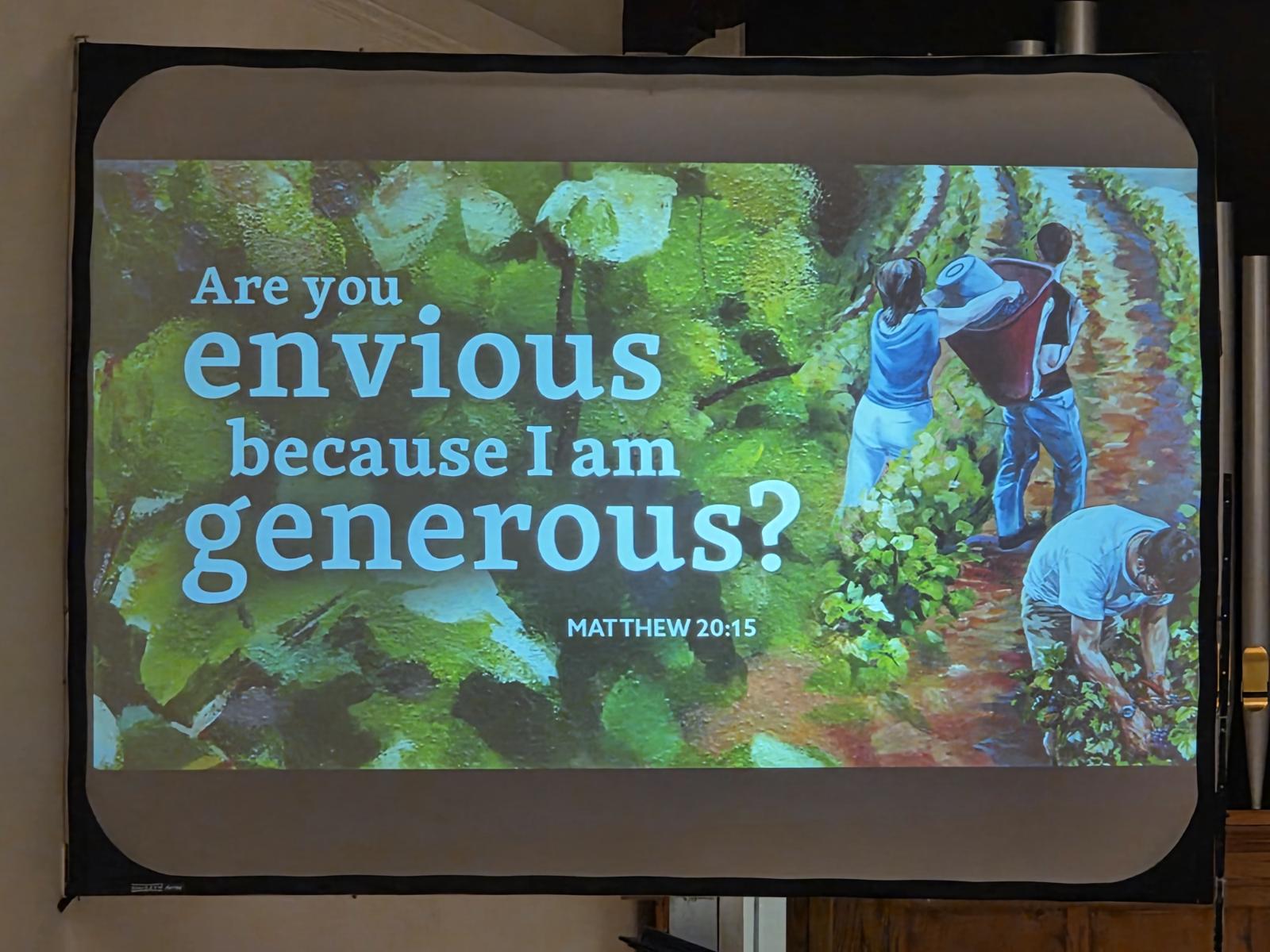
I think we get that. But it may not feel like it. At the end of the parable, we need to wrestle with the questions that the landowner asks. “Am I not allowed to do what I choose with what belongs to me? Or are you envious because I am generous?”[7] There’s a word or two or three about stewardship in this, which we’ll get to. But there is also a word about grace in this. Grace is a pure gift of God that we cannot earn or deserve.
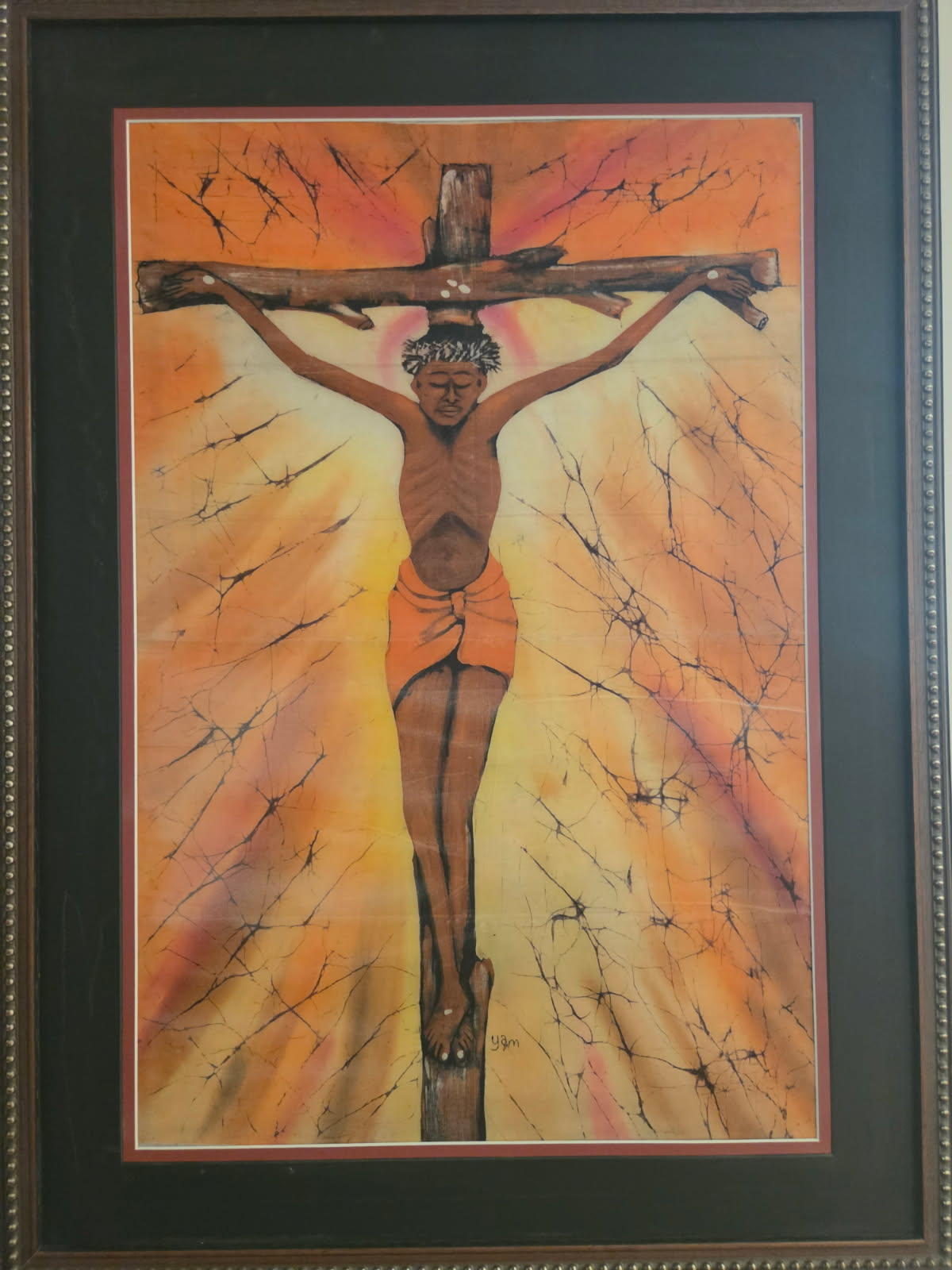
If I work 10 hours, and you work 1, it’s God’s good pleasure to provide a gift of grace, the exact same to each one of us. I say thanks be to God for that, because I certainly don’t want to be God. But, as a human being, who may fall for the sins and temptations of the world, for our human constructed frameworks of fairness and deservedness, this might not be received well. We might just be the workers in the vineyard who grumble with the landowner that others who worked less than us, are getting the same wage as us? Bishop Emeritus Brian Maas like to describe it this way. “It’s not grace, until it pisses someone off.” I apologize if that word offends you. But that’s a direct quote, and it seems to underscore Jesus’ message through the words of the landowner. All of us, have an equal share in the kingdom of God. All of us, have an equal place at this table. All of us, are beloved Children of God, created in God’s own image. Called and invited to join in with God in some of God’s on-going work today in response to all that God has done, will do, and promises to do, for us.
A Word about Stewardship
Now that is where stewardship comes in. But what do I mean by this sometimes “old churchy word?” Consider Psalm 24, where the psalmist sings, “The earth is the Lord’s and all that is in it, the world, and those who live in it.”[8] The earth is God’s. And all who are part of the earth, are God’s too. Everything is God’s. You are God’s own. I am God’s own. And all that we have, and all that we are, is God’s also. Everything that makes you the unique person and beloved Child of God that you are, is God’s.
Your time, talent, treasure, assets, possessions, and finances of all kinds. Your life, health, body, heart, soul, and mind. Your passions, strengths, vocations, gifts, relationships, ideas, dreams, stories, imaginations, and even your questions. All that is yours, is really God’s. And all of creation and the earth itself that surrounds us, and which God entrusts into our care in the beginning of Genesis, is God’s too. All of this and more, is God’s. And God chooses to entrust some of it into our care. God does this, just like the landowner in the story Jesus tells today. The landowner chooses to give to all who might want it, the dignity of work, and chooses to pay the same rate to all the workers, just as God gives grace abundantly to all and chooses to entrust us each with what makes us each, uniquely us.
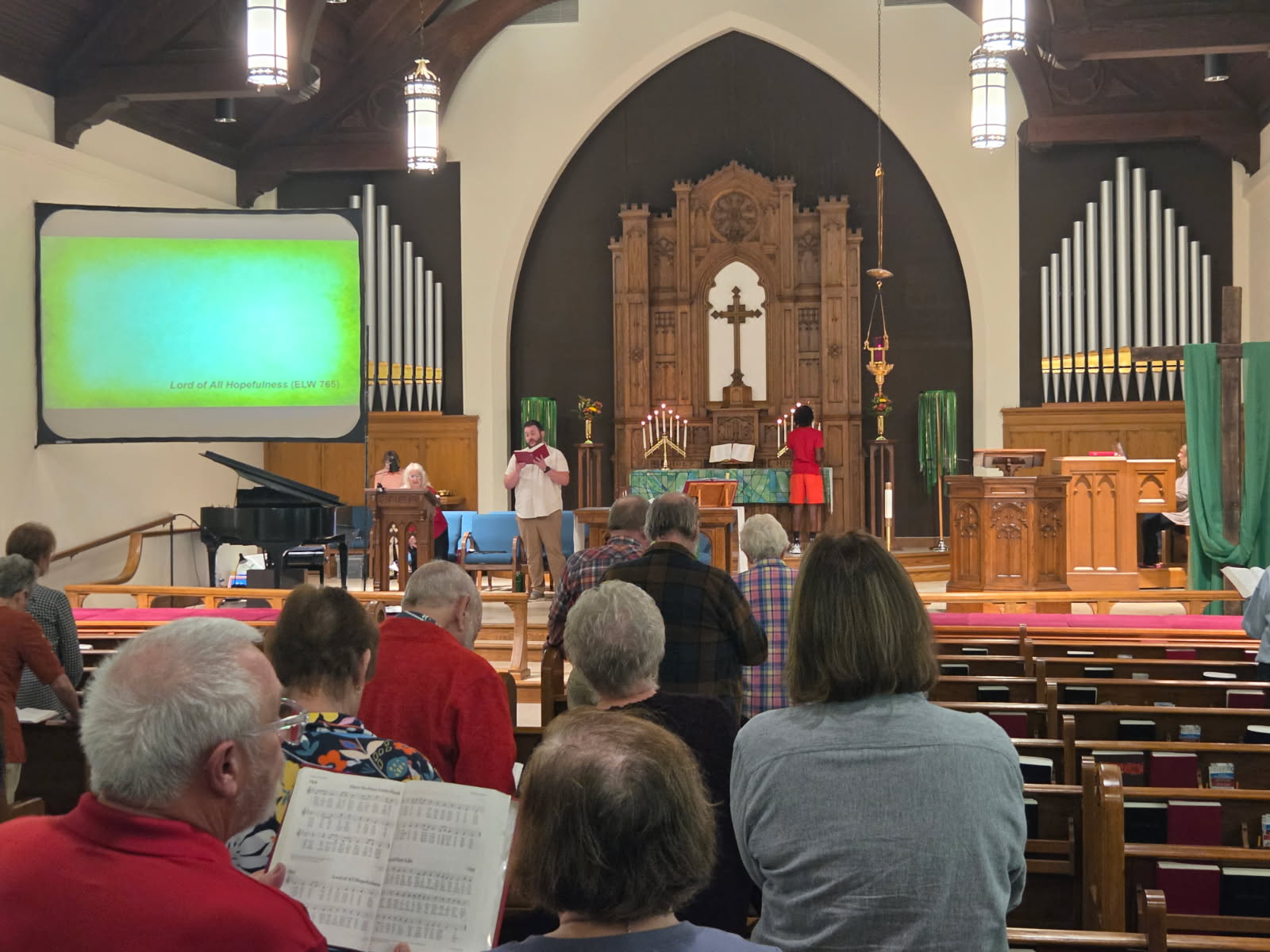
God entrusts us with what we have because God loves you and God wants life to go well for you. God does this, because God does new things, and invites us each to be part of it. God does this too because God wants life to be meaningful. So God invites you to follow and to use what God entrusts to meet your neighbor’s needs in some ways in daily life- here, now, today. Knowing that when we do this, we don’t do it alone. We do it with our God with whom there is always enough, and really more than enough. With our God whose kingdom provides a place and sustenance for all. With our God who can take a couple fish and a few loaves of bread, and feed thousands. With our God who can turn water into wine. With our God who can share a simple commandment to “love one another,” and in so doing, change the world forever. With our God who shows that abundance is real, and the lies, sins and fear of scarcity that society around us perpetuates are not. With our God who brings life out of death and shows that the resurrection is real.
We Are All Laborers as Stewards of God’s Love
This is what Jesus is pointing towards in today’s story. He’s getting ever closer to Jerusalem on his journey towards the Holy City and the events we know of today as Holy Week. But this story, as hard as it might be to hear at times, is Good News. It’s good news, because the truth is, just as the landowner provides for all the laborers in the vineyard, God in Christ does and will do the same for you. Because God in Christ loves you. God in Christ is with you. God in Christ is for you. God will go to and through the point of death on a cross, for you and for me, for one and for all. Which begs the question, how shall we live and respond?
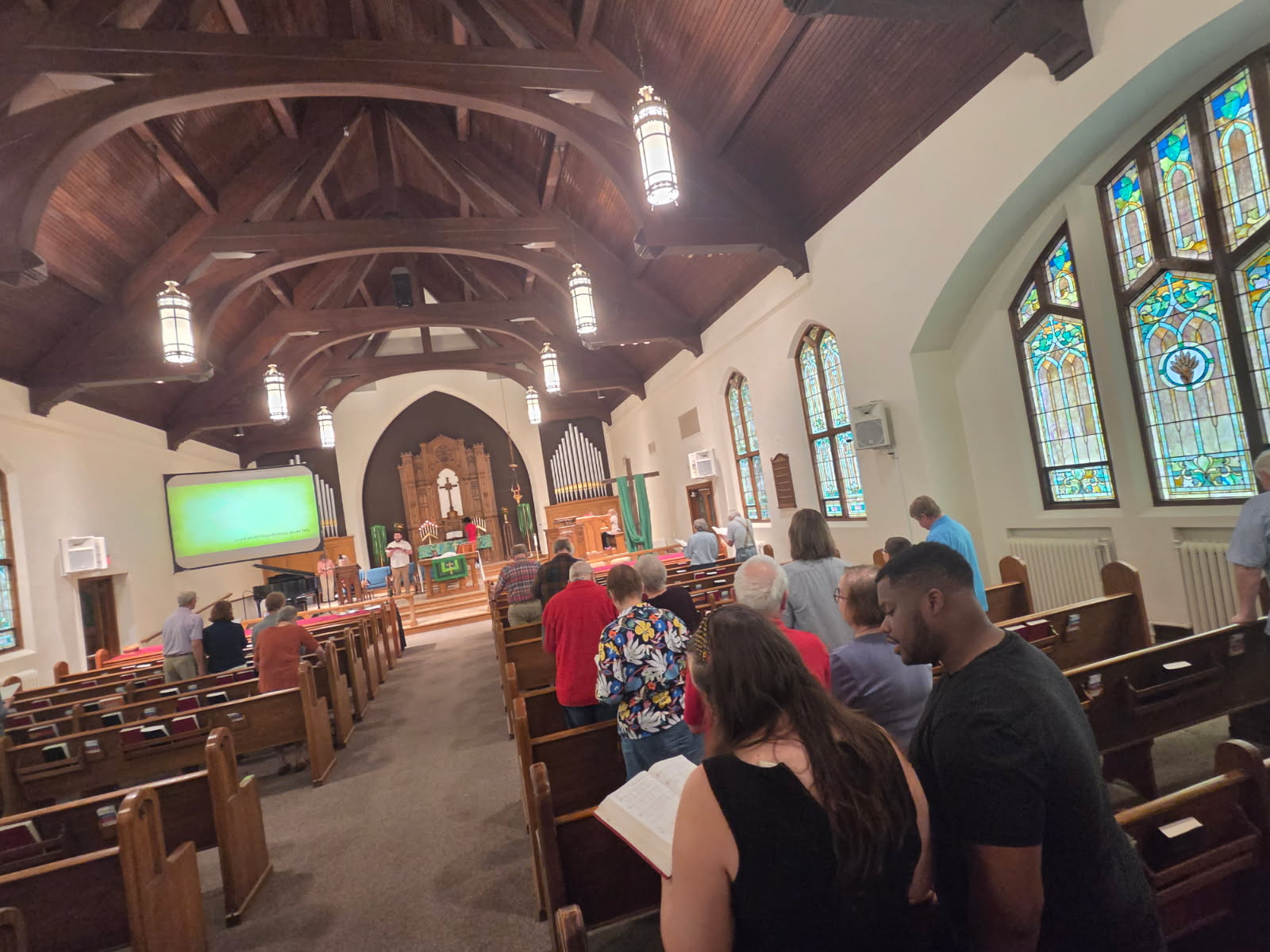
It might sound like a big question. But it’s a gift of a question. How shall we live and respond as stewards of God’s love? How will we share God’s love with our siblings in Christ here in worship today? How will we share God’s love with our neighbors near and far beyond these church’s walls? In North Omaha, and in whatever neighborhoods and places we might call home? Friends, we are all laborers in the vineyard as stewards of God’s love. That’s our work. To respond to what God has done for us. To show up alongside our neighbors as bearers of Good news through word and deed.
We’ll sing this in just a moment. “God’s work, our hands: working together, building a future, repairing the world…God is at work in and around us; seedlings are sprouting and bread’s on the rise! Washed and set free, humbled and honored, gifted by grace, we respond in God’s love.”[9] As we shall sing, I wonder, how shall we respond in God’s love?
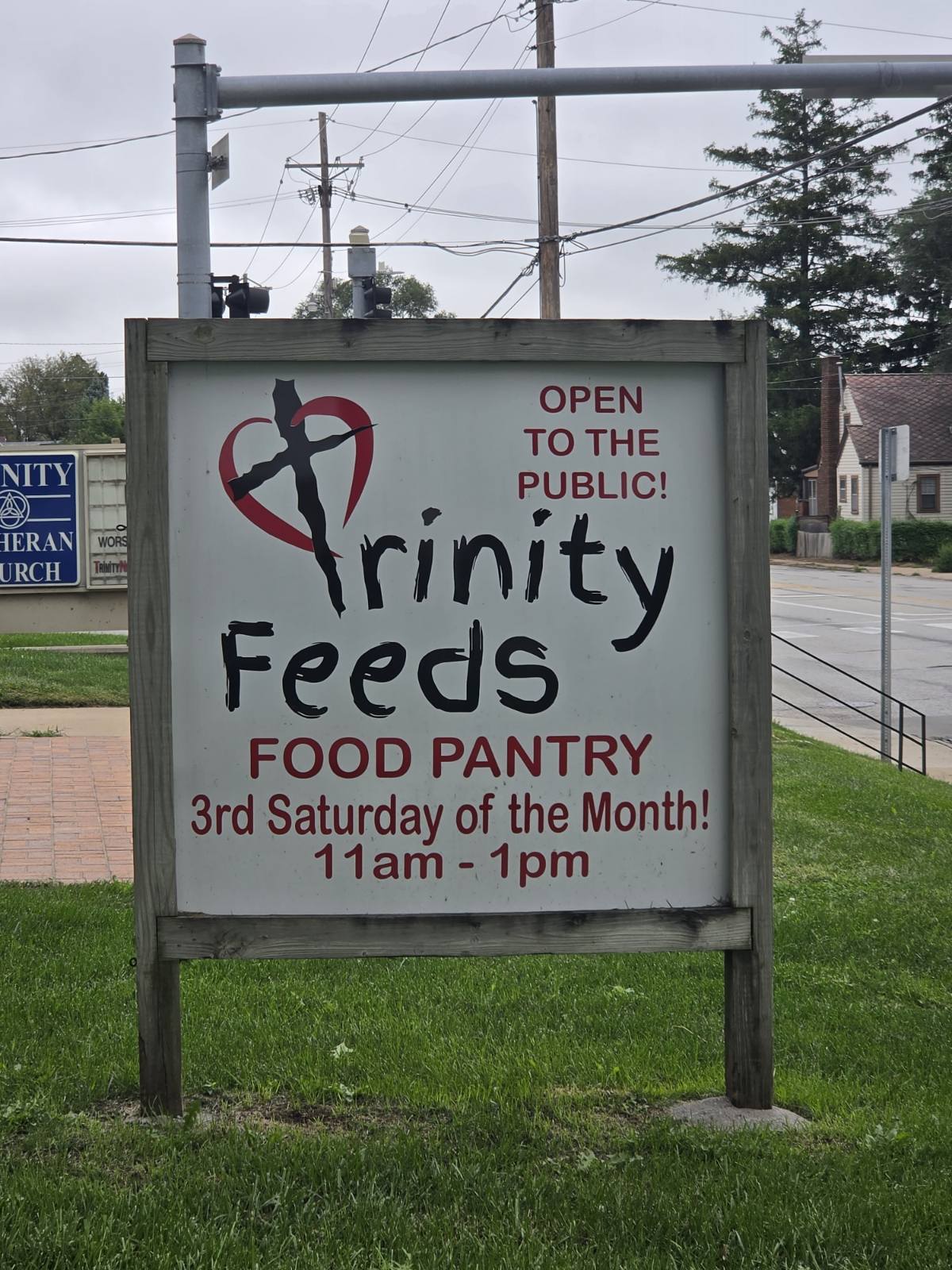
Trinity, I know I am probably preaching to the choir here- which is quite literally a choir made up of beautiful voices who share God’s love through song. You are a “Reconciling in Christ Congregation of the ELCA that is Here for Good.”[10] You are a beloved community who is “growing in God, serving others, and making disciples.”[11] You do this through worshiping together. Through studying God’s word and learning and growing as disciples through Bible Study. Through gathering, learning and serving through your adult ministries and music ministries. Through coming alongside your neighbors and meeting them where they are at through Trinity Reads and Trinity Feeds, and your Green Thumb Garden. Through your partner parish in Tanzania. And of course through all that you do as a vital part of the Nebraska Synod and the larger ELCA. Through all of this and more you are laborers in the vineyard, and stewards of God’s love here and now. Thank you for all that you do as a faithful community and congregation of God’s beloved children.
What Might God be up to and Inviting Next?
After the landowner asks the questions about generosity and abundance at the end of the parable, Jesus concludes, “So the last will be first, and the first will be last.”[12] That’s a common theme in the Gospel of Matthew, and the gospels as a whole of a great reversal. But it’s one perhaps we don’t need to worry so much about, if we hear the whole story and remember the truth within it about God’s grace being for all of God’s beloved, and the call and work we each are entrusted with by God as laborers of God’s love. We don’t do the work of saving and salvation. That’s God’s work. But we do get to respond to it as stewards and disciples who are called and invited to follow and join in.

I wonder in what ways God, like the landowner, might be meeting you and inviting you to join in, in the year ahead? What new partnerships, relationships, or community needs might God be calling forth for us all to take notice of? What new dreams, ideas, and opportunities might yet be seeds that God is just starting to plant in the vineyard? I’m excited to watch and witness, and to help where I can, and I hope you are too. So, people of God, lean in. Serve. Love boldly, widely, deeply, and abundantly as our Lord and Savior does. And know that you are enough for this work because God is always enough, and God is with you, for you, and loves you always. Thanks be to God. Amen.
Citations and References:
[1] Matthew 19:16, NRSVue.
[2] Matthew 19:21, NRSVue.
[3] Matthew 19:23-24, NRSVue.
[4] Matthew 19:30, NRSVue.
[5] Matthew 20:1, NRSVue.
[6] As in Jonah 4:1.
[7] Matthew 20:15, NRSVue.
[8] Psalm 24:1, NRSVue.
[9] Wayne L. Wold, “God’s Work, Our Hands” as found in All Creation Sings, (Minneapolis, MN: Augsburg Fortress, 2020), 1000.
[10] According to the congregation’s website: https://www.trinitynorthomaha.org/
[11] Ibid.
[12] Matthew 20:16, NRSVue.

