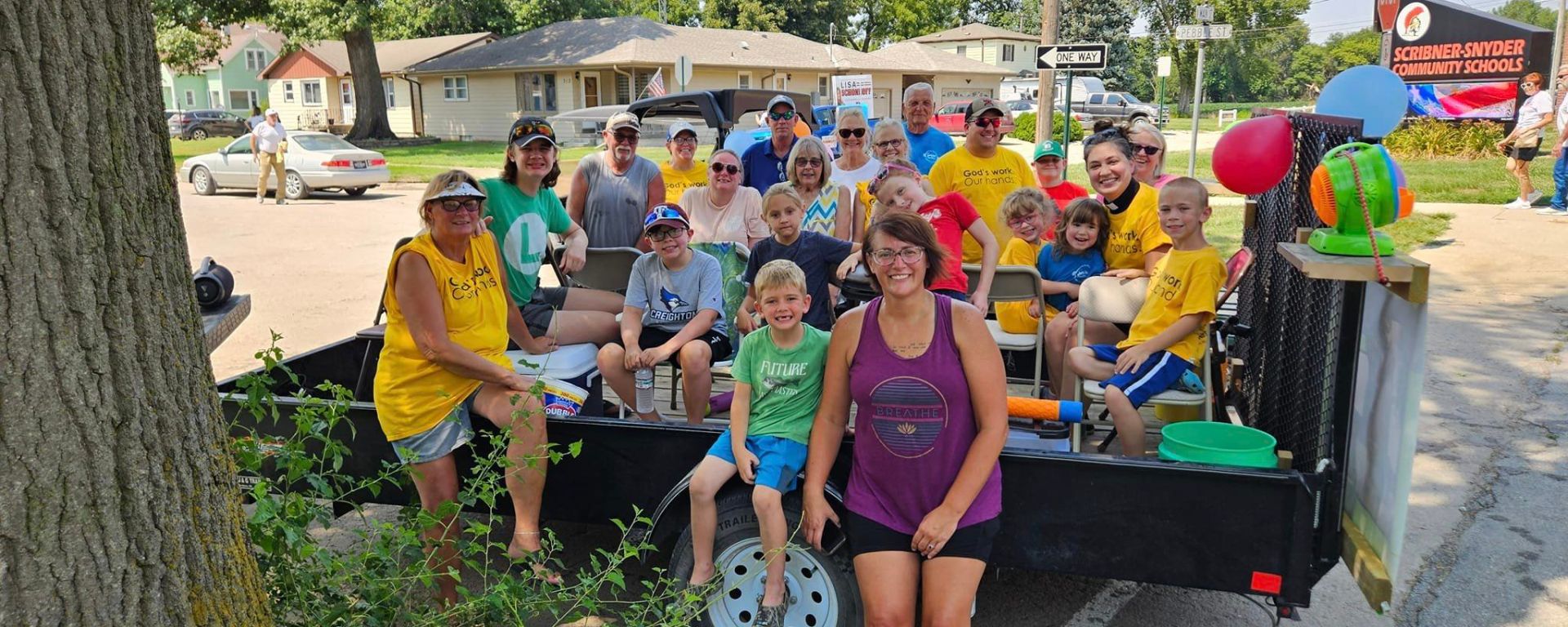
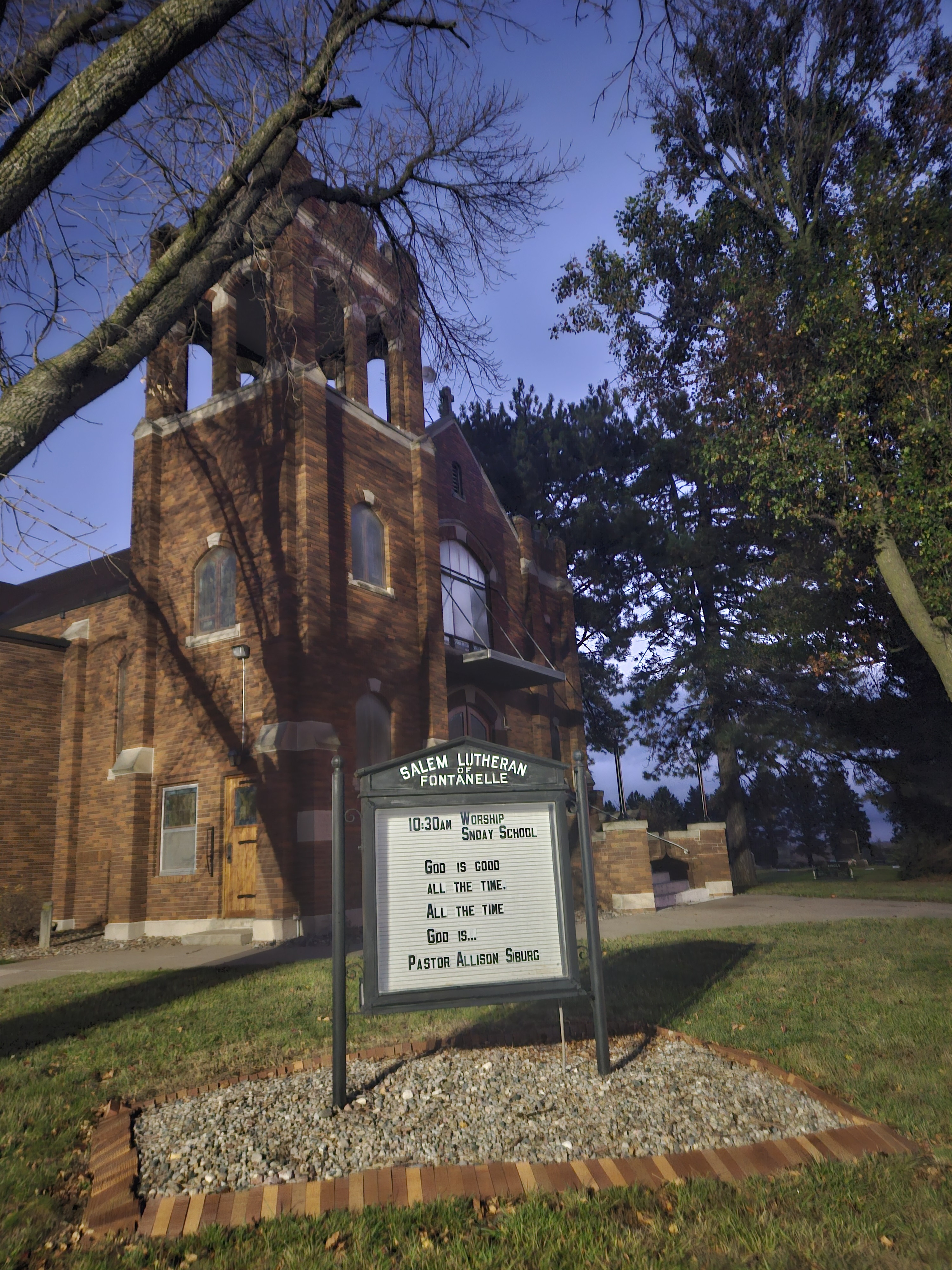
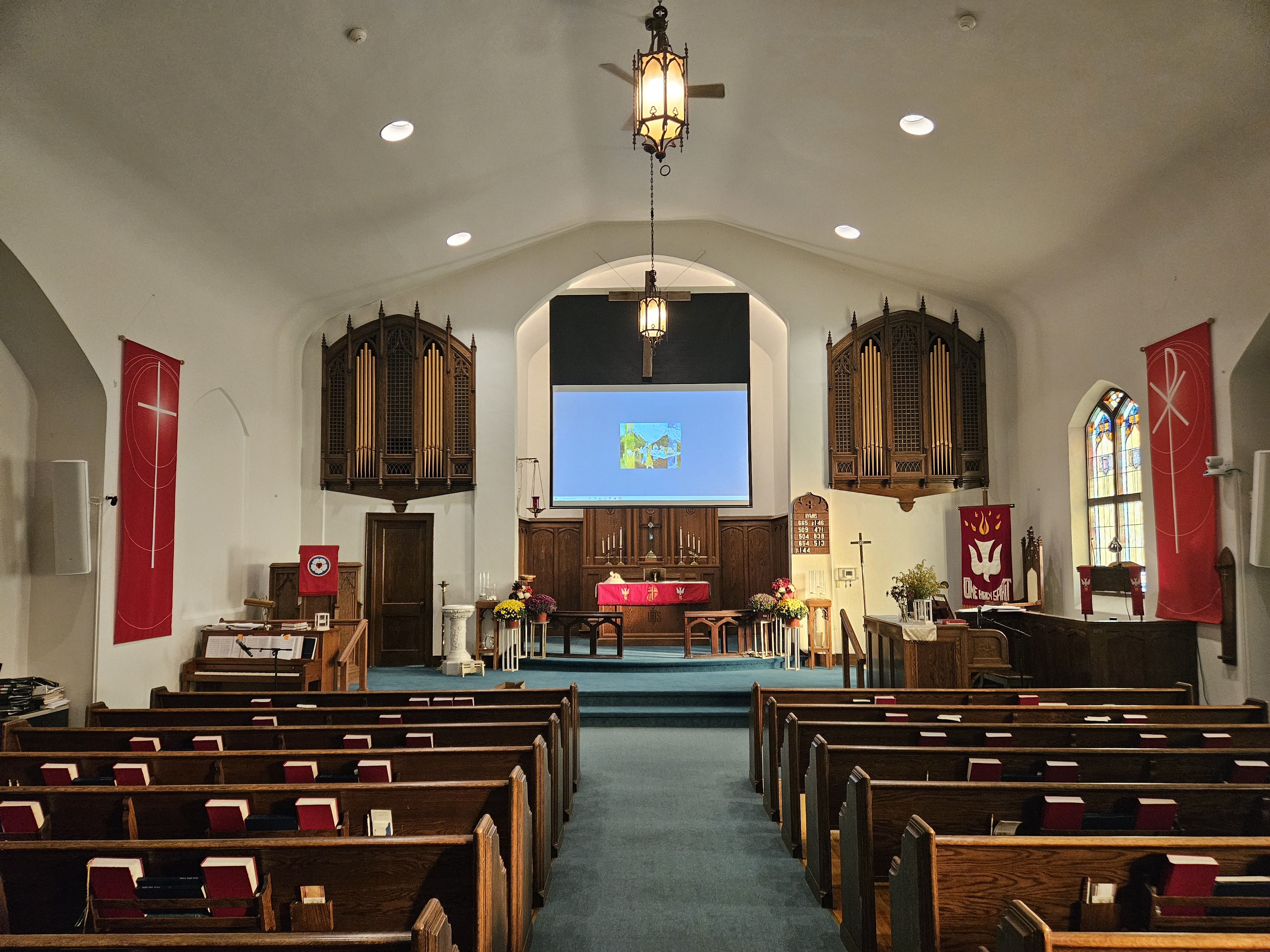
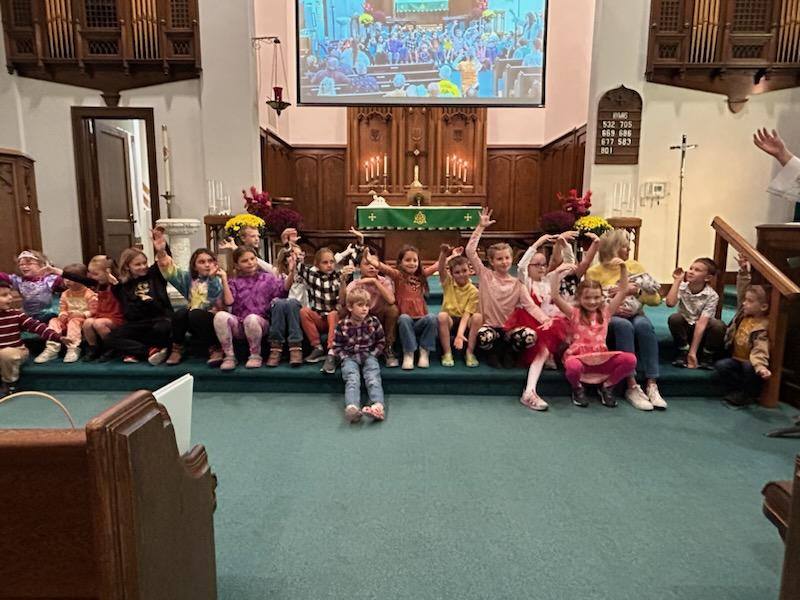
It was a gift to be “home” with God’s people gathered as Salem Lutheran in Fontanelle, Nebraska on Sunday November 10, 2024. Thank you to Pastor Allison Siburg for the invitation and to the whole congregation for the warm welcome. Okay, yes, I was invited to preach at home on themes related to the gospel text this week, and our identity as disciples and stewards, and how we are part of God’s work and mission together. What follows is the majority of the manuscript I preached from based especially on the appointed gospel lesson from Mark 12:38-44, with references to Psalm 24:1 and 1 Kings 17:8-16. In addition to preaching, I was invited to share my usual greetings from Bishop Johnson and the whole Nebraska Synod and gratitude for the congregation’s participation in Mission Share as part of the announcements in worship. (Pictures included in this post are from recent months of ministry, and not necessarily this Sunday.) If you want to watch or listen to the service and sermon, the Facebook link can be found below.
Grace and peace from God in Christ, who is with you, for you, and who loves you. Always. Amen.
Years ago, early on in our time in Nebraska, I was told a story from a friend and colleague pastor. They shared about an experience that stuck with them from their first call in ministry. Imagine the scene if you will. It was winter. Snow was on the ground. To quote the old hymn, “In the Bleak Midwinter,” there really was “snow on snow on snow.”[1] A member of the congregation where this friend was serving, was a younger woman who happened to be a young single mom. She had a major health issue, and she needed a transplant. She lived out in the country and was told by her doctors and care team to wait for the call, but when she was to get it, she would need to travel the couple hours into Omaha by a certain time to receive her transplant. Time would be and was of the essence.
https://www.facebook.com/SalemLutheranChurchFontanelle/videos/434500279444238
But again, there was snow on snow on snow. What would this woman do, if she very likely would be snowed in? How on earth would she be able to get through the piles of snow from her home to Omaha in time? That’s where her church and her larger community rallied. Tractors, combines, trucks with plows of all kinds. They were lined up along the road. Those needing keys, had keys left in the ignition. This was the church being the church. They were being neighbor to neighbor. In parking these vehicles and in lining them up in such a way, the plan was that any and all people from the community would rally upon receiving the call and get to work to clear the path, and/or be able to use one of the many cars lined up to get her to the hospital in time. Everyone and anyone in the community would be ready to respond within moments. To literally plow and prepare the way for the moment.
The woman in the congregation’s life depended on it. She trusted. She gave thanks. And ultimately, she not only had put her life in God’s hands, but also in the hands of her neighbors too. And they responded. As the story was shared with me, just as the plan had been put in place, ultimately it was successful. The woman was able to get through the snow with the help of her neighbors and was driven to the hospital. The transplant was successful. And to the best of my knowledge, this woman and her child are all doing well, and much older now. I start there because this story comes to mind this week. This woman put her trust in her neighbors. Her very life depended on her neighbors and God’s people. It’s a faith story. It’s also kind of the story from the gospel today.
And it has me wondering a question. What does it mean to be “all in?” You know- to be fully committed. Fully invested. Ready to go the distance. What does it mean to be all in? You might think of the offensive or defensive line of the Huskers, getting a pep talk before facing Ohio State. You might think about a farmer out in the fields in their combine with their brightest lights on bringing in the harvest late at night, long after dark, trying to beat the rain.
What does it mean to be all in? You might think of a teacher, who after putting in the long hours of a school day, spends a couple hours extra tutoring students needing a little more help, and spending their own money on much needed classroom supplies. You might think of the Veteran this Veteran’s Day weekend, who did a hard thing and served for the sake of their country and neighbor.
What does it mean to be all in? You might think of the prophet Elijah in our first lesson today, who meets a widow preparing to make a last meal for her hungry self and child, but who in meeting Elijah, finds God’s salvation and sustenance just in time.[2] You might think of a widow like in the gospel story, who gives everything she has to live on, her two coins, out of deep trust and faith and for the sake of God’s work to be done.
What might it mean to you, to be all in?
Jesus in our story today observes and teaches. He puts people like me and your Pastor Allison on notice, saying, “Beware of the scribes, who like to walk around in long robes, and to be greeted with respect… to have the best seats and places of honor… they devour widows’ houses…”[3] There is great truth in this. All of us as disciples are called to practice what we preach. To live our faith through word and deed. To care for all of God’s beloved. There is also great responsibility for leaders, and those entrusted with roles and authority of leadership. As God’s people, we are not to hoard or have our way. We are to uplift the lowly and the least. To welcome, include, and provide for the stranger, outcast, widow, and orphan. Any system, structure, church, government, organization, what have you… all must face this question. How are we doing at living out our faith? How are we doing at caring for all those entrusted to our care? What do God’s people need? What do our neighbors need? And what might God be inviting us to see and be a part of now and next?
The scribes, rabbis, Pharisees, Sadducees, or pastors, deacons, and bishops of today, all have the same responsibility. With authority comes responsibility. With great opportunity and perhaps even power, comes great responsibility. And perhaps Jesus is calling not just the Temple leaders to account for this, but all leaders of the faith of all times and places. Of yesterday, today’s church, and whatever tomorrow might bring. We are called to care for one another. Not just in nice words. Not just through the sacredness of liturgy and worship. But through how we actually show up. For its where the rubber hits the road, that we find out if we truly are all in.

So Jesus teaches about this, and then sits down. He sits down next to the treasury and watches. Imagine this as a spot where the offering plate might be. Not hidden back here behind by the altar, but in a very public place in the worship space or church building where anyone and everyone can place their first fruits which they return back to God. It might be harder to do this now today, considering some of us, me included don’t really carry cash and very rarely write a check. If you’re a digital consumer and giver like I am, it can be a bit easier to give discreetly if you should so choose to do so. But just imagine a spot here where everyone can see what one might put in the offering plate. How would that make you feel? Uncomfortable? Judged? Would you be hopeful? Excited? Guilty? Worried?
We hear that it is observed that, “Many rich people put in large sums. A poor widow came and put in two small copper coins, which are worth a penny.”[4] We know this story. It’s not about works righteousness. It’s not about doing what we must to earn our place with God. No. Grace and salvation are pure gifts of God which we could never earn or deserve. We know this. We’re Lutherans after all, its core to our story of who we are. Beloved. Claimed. Named. Just for who we are, as Children of God. Because the saving work is God’s work. Not ours. And thanks be to God for that.
We also know that this story isn’t done though. Jesus calls the disciples who have witnessed this act of giving from this widow. He calls them to see, notice, and wonder. Just as he calls us to do today and every day. Jesus says, “Truly I tell you, this poor widow has put in more than all those who are contributing to the treasury. For all of them have contributed out of their abundance; but she out of her poverty has put in everything she had, all she had to live on.”[5] The woman in this story is ALL IN. There is no question about that. She is trusting. She is faithful. She is handing over her whole self into the care and concern of God’s people.
It was the role of the Temple and the church, to care for those widows, orphans, and marginalized. For without them, there was no safety net. They had few (if any) options to earn income. It’s a story not dissimilar to the world we live in today. Where we as God’s people are called to not just see our neighbors but to meet them where they are at, with all that we have and all that we are. Remembering that what we have, God has entrusted into our care. Like the psalmist reminds in Psalm 24 as we heard last week, “The earth is the Lord’s, and all that is in it; the world and those who live in it.”[6]
All that we have, and all that we are, are God’s. We are God’s own. You know this friends. I am not going to go into my usual stewardship sermon I share when out and about with the many congregations of our synod. But I will say this. God has entrusted us with all that we need to be faithful. To meet the needs of this day. And to walk with our neighbors. So I guess the question is, are we all in?
Are we all in as disciples? Are we all in as stewards? Are we all in as Children of God?
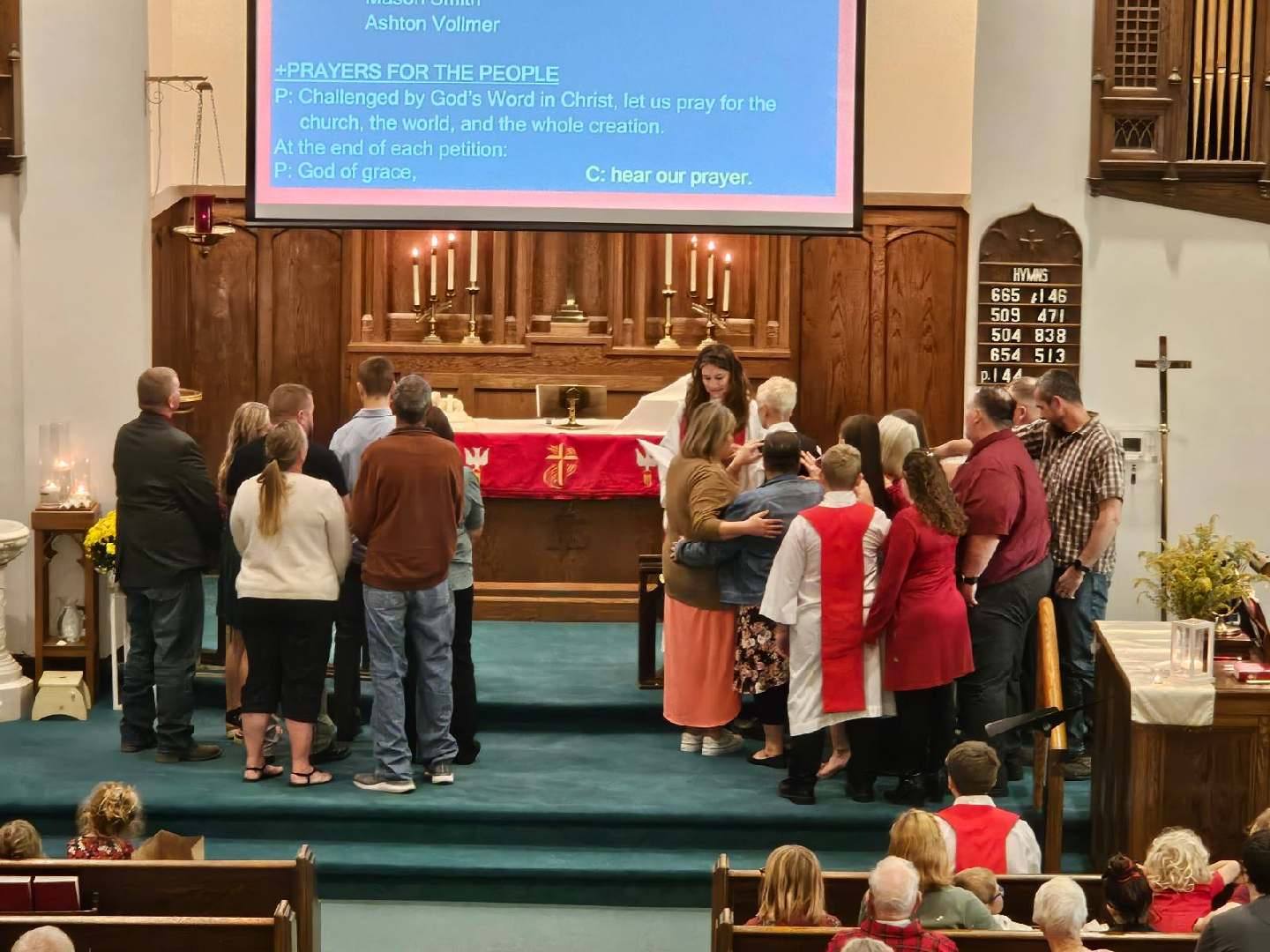
We said we were two weeks ago. Right here on Reformation Sunday as two of our own affirmed their faith, and we joined them in professing our faith by renouncing all the forces and powers and ways of sin that defy, rebel, and draw us from God. By proclaiming the words of the faith through the Apostles’ Creed. And through the Affirmation itself. Where we were again reminded of our baptismal promises: “to live among God’s faithful people, to hear the word of God and share in the Lord’s supper, to proclaim the good news of God in Christ through word and deed, to serve all people, following the example of Jesus, and to strive for justice and peace in all the earth.”[7]
What does it mean to be ALL IN? To do as we say we will do. To live out the covenant we have made with God and with each other. To know that when we mess up, and believe me, we all do, that we will come again together as God’s people to confess our sins and be forgiven and absolved. But in being forgiven, we also know that we are changed. For we have a living faith. It’s not stagnant. It calls us to keep going, to keep learning, to keep growing, serving, and sharing. Most of all, it calls us to keep loving. This is what it means to be all in. To love as God loves us. To love our neighbors as ourselves. To love, without questions or strings attached. To love anyone and everyone, no matter if we might look alike, agree on anything, or share anything in common. We are called to love all. Period.
God loves us abundantly. God wants life to go well for us and all of God’s beloved. So God entrusts us with what we have and what we are, as each of us is a unique and beloved Child of God. So that life might go well for us. But also so that we might have a meaningful life. The life of being a disciple and steward is just that. It’s wonderful. It’s hard. There’s a cross at its center after all. But it’s meaningful, in part, because as God entrusts us with all that we have and all that we are, God does so in the hope that we might use what God provides for the sake of our neighbor. Not for our own sake. That’s God’s work. But for the sake and well-being of our neighbor.

How do we welcome and care for the widows, the orphans, the strangers? How do we serve all people following the example of Jesus? How do we strive for justice and peace in all the earth? Salem, I know you do these things. I see it. I feel it. Through the quilts and care kits that were prepared with love and blessed last week. Through Sunday School and Vacation Bible School. Through blood drives, and all the work that the Health Cabinet provides. Through being a beacon on a hill where all of God’s people are welcomed, just as they are. Thank you. Thank you for all of this and for all the other things that I have could have reminded you of today that you do.
On this day in particular, as we hear the story of the widow and her two coins, it feels like God might just be inviting us to say and then do, through all that we do and all that we are, that we as God’s people here in Fontanelle, Nebraska are all in as signs of Christ’s abundant love and grace. Meeting our neighbors where they are. Living out the promises of baptism, and the Good News which we know is real- that through the work of the cross and tomb, death, darkness, despair and sin do not have the final word. But instead, because God is always bringing new life, active and among us, we know the rest of the story. That Easter is real. That resurrection is real. That salvation is real. And when we remember that we can’t help but be so moved that we are all in- to tell the story, to share God’s love, and to be Christ’s hands and feet today for one and for all. May it be so. And may we do so remembering that God is with us, for us, and loves us. Always. Thanks be to God. Amen.
Citations and References:
[1] “In the Bleak Midwinter” by Christina Georgina Rossetti, set to the tune of “Cranham” by Gustav Holst, as found in Evangelical Lutheran Worship, (Minneapolis, MN: Augsburg Fortress, 2006), hymn # 294.
[2] As heard in the Old Testament reading today from 1 Kings 17:8-16.
[3] As noted in Mark 12:38-40, NRSV.
[4] Mark 12:41-42, NRSV.
[5] Mark 12:43-44, NRSV.
[6] Psalm 24:1, NRSV.
[7] From Evangelical Lutheran Worship, (Minneapolis, MN: Augsburg Fortress, 2006), page 236.
 Timothy Siburg