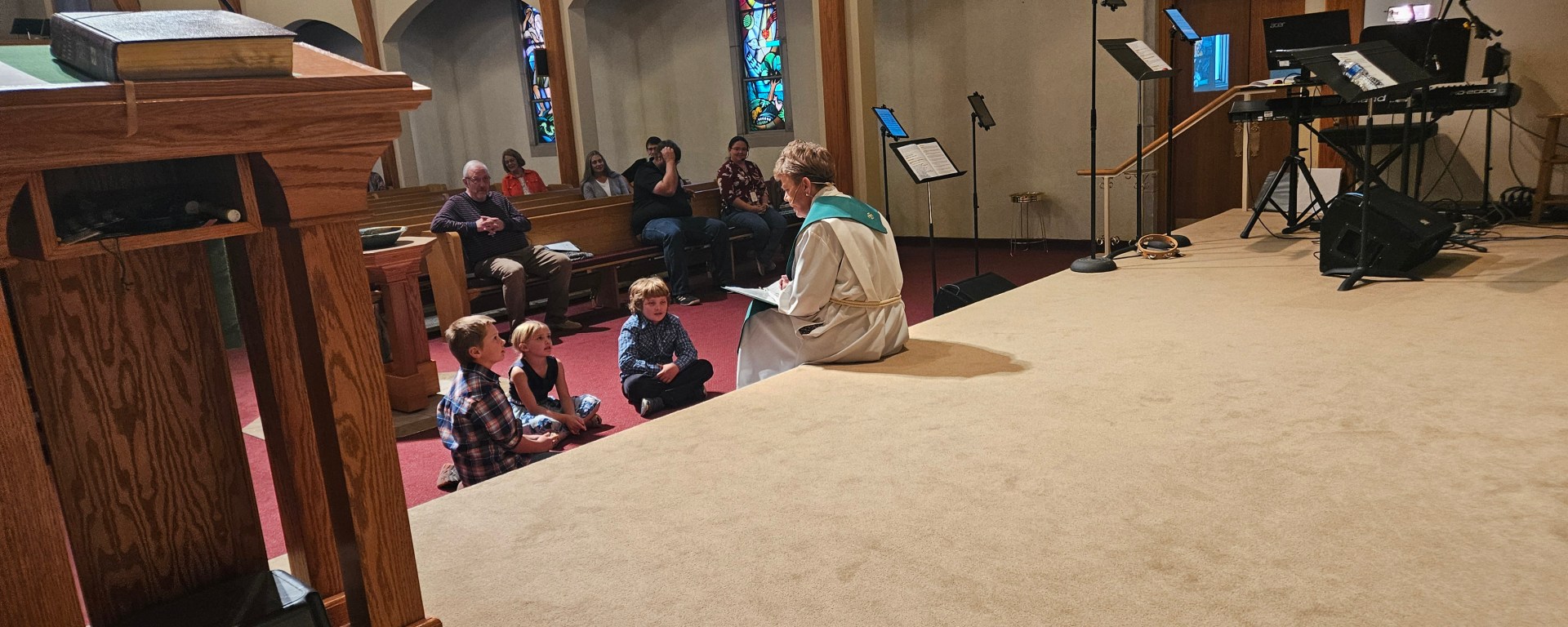
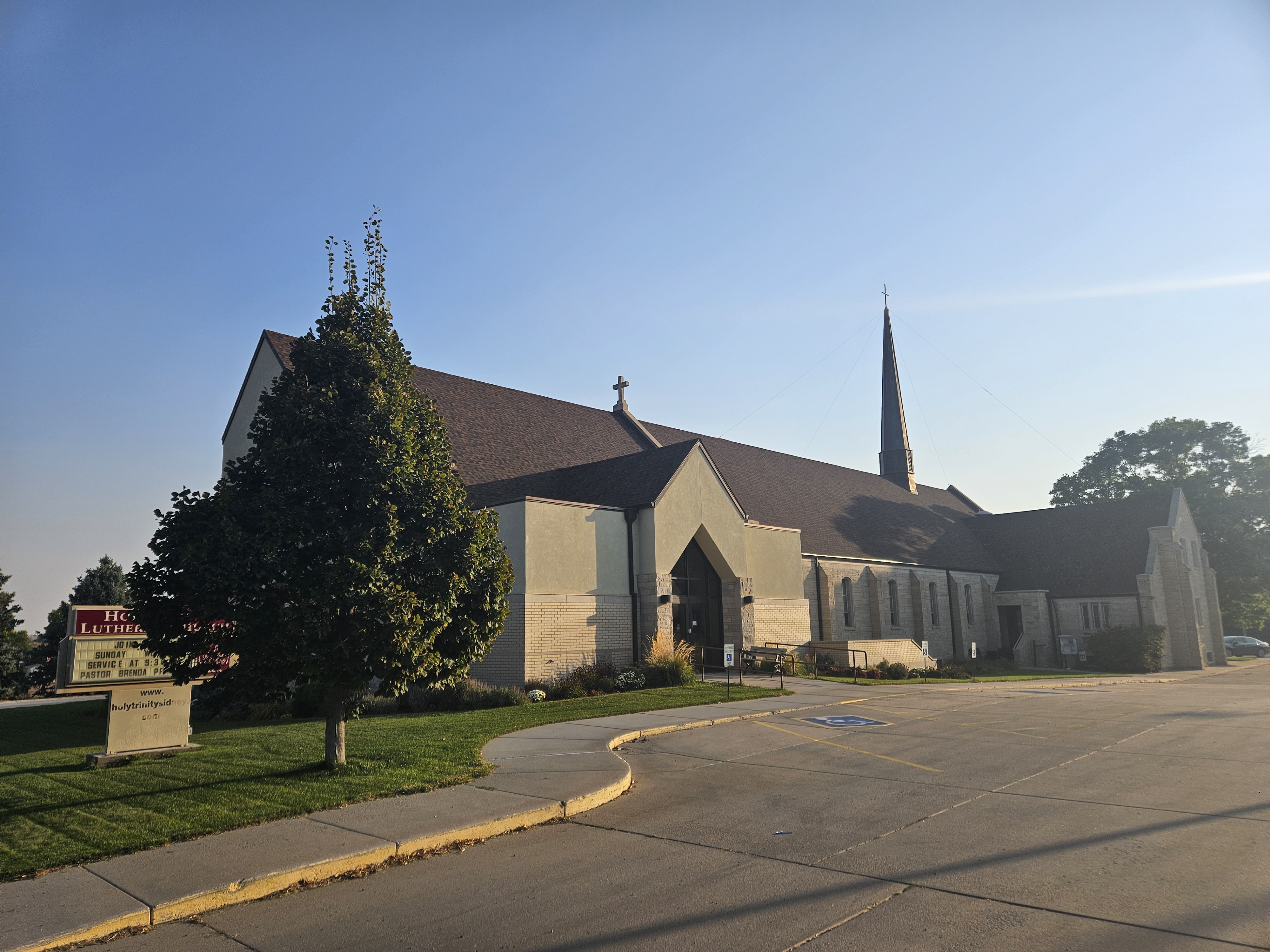
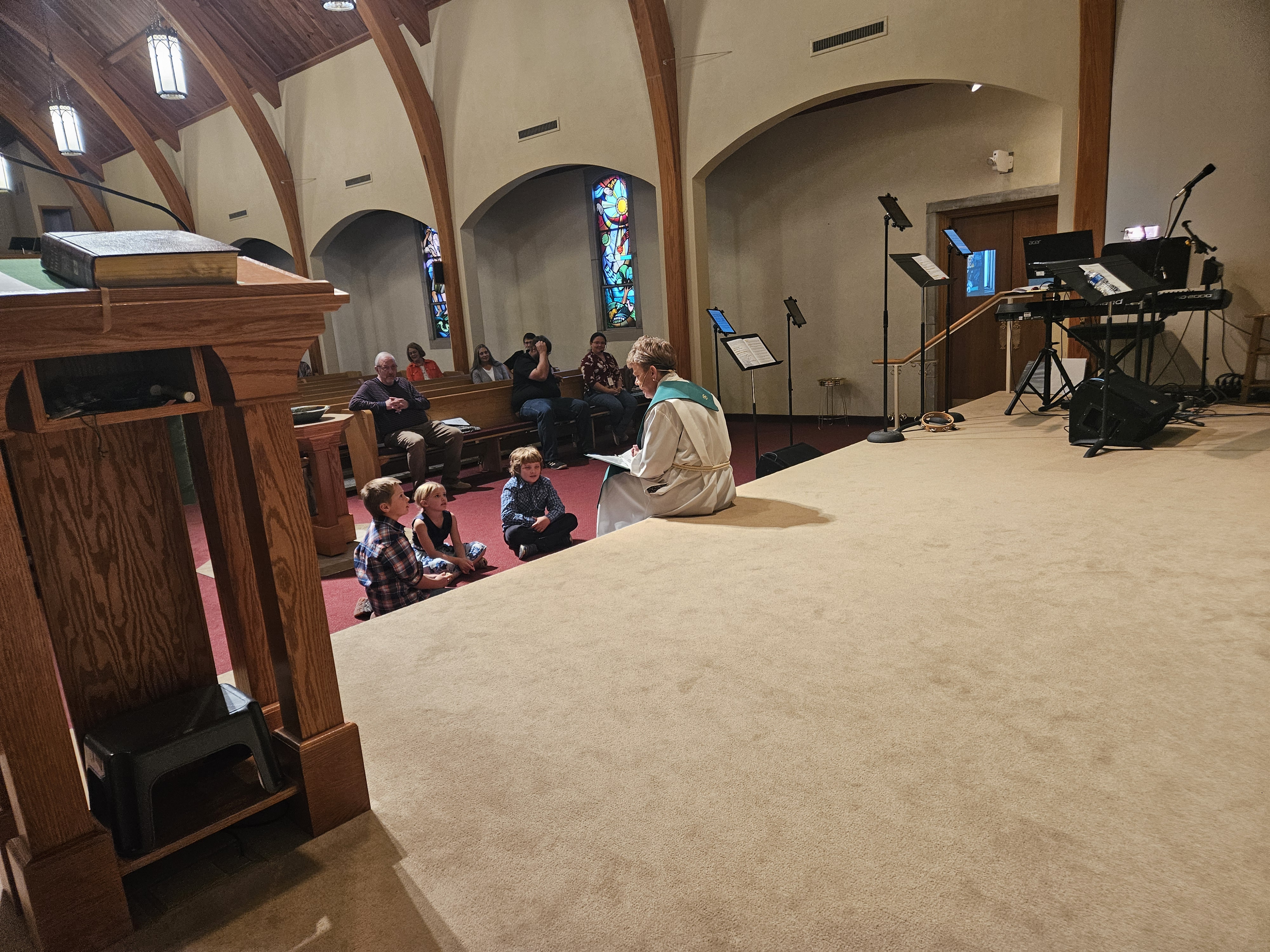
It was a joy to be with God’s people gathered as Holy Trinity Lutheran Church in Sidney, Nebraska on Sunday October 6, 2024. Thank you to Pastor Brenda Pfeifly for the invitation and to the whole congregation for the warm welcome. I was invited to come and preach on stewardship, to assist in worship and install Pastor Brenda as the congregation’s pastor, and to meet with the congregation’s council and stewardship committee after worship about stewardship and other questions they might have about ministry, vitality, and what God might be up to. It was a great day to be together as God’s people. It was also a gift to be able to bring greetings on behalf of the Bishop, and to share words of deep gratitude for all that the congregation does and makes possible being part of the larger church. What follows is the majority of the manuscript I preached from. It’s based primarily on the appointed lectionary texts which were: Mark 10:2-16; Genesis 2:18-24; and Hebrews 1:1-4, 2:5-12, with the addition of Psalm 24. If you would like to watch or listen to the service, you can find it here, by clicking on the service for October 6.
Grace and peace from God in Christ, who is with you, for you, and who loves you. Amen.
God’s Word for Us Today
You know there are days when the gospel lesson is read that I really don’t want to respond with “Praise to You, O Christ.” Or, “Thanks be to God.” This week is one of those weeks. Let’s be honest. This is not a favorite passage of many. It’s a hard one. It’s about relationships. It’s about divorce. It’s about brokenness and sin. It’s about the realities that life doesn’t always go as we may want, or even as God might want. But the beauty of this story this week is that that’s not the whole story. Jesus and the disciples have been traveling along the way. Together they have passed through Galilee and Capernaum, and where we find them in the story today, they are in “the region of Judea, beyond the Jordan.”[1] The crowds have once again found him, and he is teaching.
The first part of the story we heard is the result of a conversation and questions from the Pharisees who are trying to test him and catch him in his words.[2] This is where the questions about relationships, divorce, and adultery come from. But the journey isn’t over. There will be more conversation with the disciples about what this might mean, and the people who are sensing God up to something will keep coming too. And they do, and that’s where today’s story ends. With people bringing children to Jesus, and the disciples seemingly getting in the way. You’d think by now the disciples would figure out that Jesus doesn’t want them to be his bodyguards or secret agents keeping him away from the people, but rather to be in relationship with all of God’s beloved. But they haven’t figured it out yet. So Jesus intervenes indignantly. “Let the little children come to me; do not stop them; for it such as these that the kingdom of God belongs. Truly I tell you, whoever does not receive the kingdom of God as a little child will never receive it.”[3] Jesus then took the children in his arms and blessed them.[4] There’s no cursing. There’s no turning them away. There’s only welcome. Love. Grace. Inclusion.

Jesus is teaching alright today, but I don’t think the lesson he is teaching is really about divorce as the Pharisees might have wanted it to be. No. He’s teaching about the kingdom of God, and what it means to be in relationship with God and neighbor. Jesus is offering the wisdom of being like a child, rather than shooing a child away. For with children, we see most clearly what faith looks like- wonder, imagination, hope, love, and joy. Yes, it might be “child-like,” but that is precisely the point. There is a great deal of mystery that comes in the faith, and instead of always being able to explain it away, it’s more about leaning in as disciples to ask questions, to wonder and witness, and to meet our neighbors where they are at as signs of God’s gracious love, and as signs of true relationship, welcome, inclusion, and accompaniment. Jesus is painting a picture of the Kingdom of God, where reconciliation happens, where all are welcomed just as they are. And where the wisdom and wonder of children are the way to most clearly see God at work and active among us.
The Wisdom and Wonder of Children
Holy Trinity, it’s so good to be back with you in worship today. I was last with you in the fall of 2021. I was a dad of two little girls then. And I still am, but those little girls are not quite as little. They are in first grade and preschool now. They are wonderful. They are handfuls. But I wouldn’t change a thing. As I think about the last part of today’s gospel story, I am reminded believe it or not of Christmastime. That’s not to get ahead of ourselves here, or to think about the fact that Christmas decorations are in stores for sale already. But, because Jesus ends the story today welcoming children, something he’s done in our gospel story a couple times the last few weeks, I am reminded of the experience of the first few Christmases with these girls of ours.
My wife and I like to decorate, and we love Christmas lights. I distinctly remember holding the girls in their first Christmases by the tree, and watching their eyes fill with wonder and awe at staring at the lights and ornaments for the first or second time. There’s nothing like it. The childlike wonder was on full display. A wonder filled with joy. Filled with hope. Awe. And perhaps imagination and curiosity. As a parent, if I have one hope for my daughters is that they never lose that sense of wonder, curiosity, and imagination. It will serve them well. And hopefully it will always lead them to ask questions to learn and grow as disciples. But hopefully too, it will lead them to be wise bearers of God’s love and welcome. Something we are all called to be as God’s beloved children.
Love through Grace
That’s not to avoid the first and very hard part of the gospel story though. Perhaps in Jesus teaching about divorce, he isn’t so much talking about divorce but naming the hard things of life that we need to talk about. Brokenness. Pain. Sin. Broken relationships, hurts, and worse. I wonder about this today in part because in the Nebraska Synod this year we have committed to be in ministry together under the theme of Cultivating Love, with a particular focus in October of Cultivating Love through Grace. Grace is part of our DNA as Lutherans. It’s central to our theological understanding. But what does it actually look like? Well, it’s first and foremost a gift of God that we cannot ever earn or deserve that is given freely. The gifts of life and salvation are just that, pure gifts. The writer of Hebrews helps us remember this by situating God’s story and pointing to our very presence in it as we heard in the second lesson, “Long ago God spoke to our ancestors in many and various ways by the prophets, but in these last days he has spoken to us by a Son…”[5]
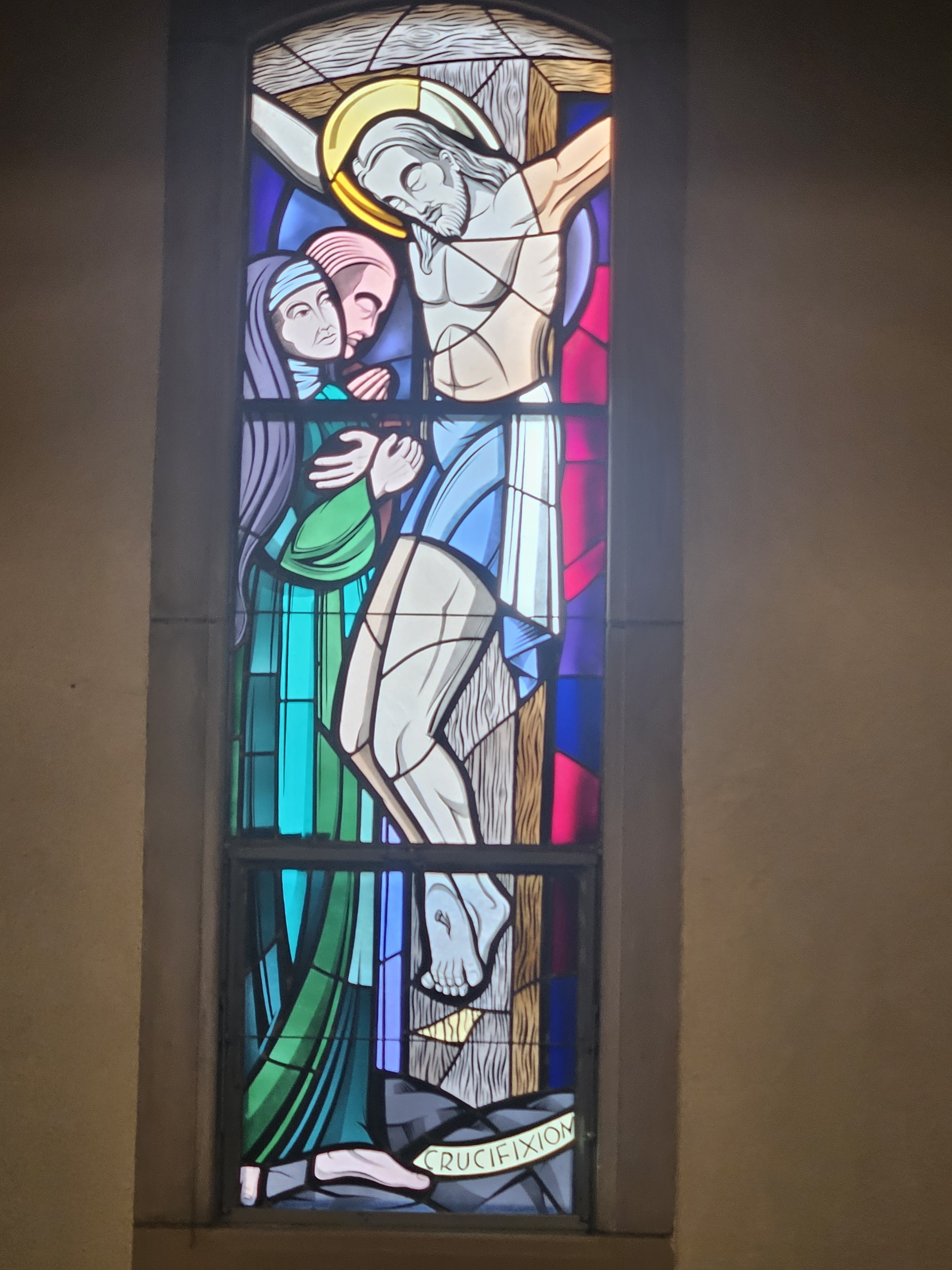
This is God’s story which we are each a part of. The story of God coming near for us and with us. The story that helps us “see Jesus.”[6] And the story that reminds us of God’s great mercy and compassion.[7] That part of the Good News of the Gospel of Jesus is that “by the grace of God he might taste death for everyone,” once and for all.[8] The thing about grace though is that it’s not something limited to what you or I think it should include. As Bishop Maas used to say, “It’s not grace until it makes someone mad.” He was getting at the fact that grace is unlimited, and eventually it will make you mad because it’s not restricted in some ways to particular recipients. But it is offered freely for one and for all. That’s grace. And that’s what the love of God is. It’s about relationship and reconciliation. It’s a gift. It’s a gift that we could never earn or deserve.
Stewardship- is about all of us!
That said, we do have the opportunity to respond. And that’s precisely where stewardship comes in. Stewardship is first and foremost a response for all that God has done, will do, and promises to do, for you and for me. When we experience God’s abundant love, grace, and mercy. When we sense who God is, when see God’s love made real. When we witness God’s work being done, and we can’t help but want to come closer and see that the Lord is Good. When we know that God’s love has come near for us, and we ourselves are changed because of it, we can’t help but want to join in with God in some of God’s on-going work here and now today. That’s stewardship. The act of admitting this, and then being so moved to do something in response.
We have the gift and opportunity to take hold of the abundant life that really is life, that God alone provides. Knowing that as we do this, that this life and identity as a disciple and steward that we all share, won’t always be easy. It’s full of challenges. It’s costly. There’s a cross at its center after all, and we know the rest of the story. But we also know, because of this that this life as disciples is deeply meaningful and full of purpose. It’s a life of service grounded in love and lived out in response to the promises of our God who comes near.
This is what stewardship looks like. Where we recall the words of the psalmist in Psalm 24, “The earth is the Lord’s and all that is in it, the world, and those who live in it.”[9] The earth is God’s. And all who are part of the earth, are God’s too. Everything is God’s. You are God’s. I am God’s. And all that we have, and all that we are, is God’s. Everything that makes you the unique person and Child of God that you are, is God’s. Your time, talent, treasure, assets, and finances of all kinds. Your lives, health, bodies, hearts, souls, and minds. Your passions, strengths, vocations, gifts, relationships, ideas, dreams, stories, imaginations, and even your questions. All that is yours, is really God’s. And all of creation that surrounds us, and which God entrusts into our care in the beginning of Genesis, is God’s too.[10] All of this and more, is God’s. And God chooses to entrust some of it into our care. God does this because God wants life to go well for God’s people. Because God wants to be in relationship with us. And because God hopes that we might live lives of deep meaning and purpose, in part through caring for our neighbors with all that God entrusts.

God does this and so much more, for you. God will go to and through the point of death on a cross to bring life for you. God welcomes us as children, just as we are, and calls us to do the same. God does as only God can do, bringing life, hope, and salvation. And this is Good News. Good News which we are entrusted with. News which then leads us to respond as stewards and disciples. News which calls us to bear welcome and inclusion for our neighbors just as Jesus models with the children. News which calls us to keep growing as God’s beloved children, disciples, and stewards. To ask the questions on our hearts and minds. And to lean in with hope, child-like wonder and imagination as we follow wherever Jesus might be leading. This is all of our work that we share.
On the Occasion of the Installation of a Pastor
Today as we gather for worship, we also do so knowing that each of us is called to unique vocations. These roles, responsibilities, and identities are all gifts from God that flow from our baptisms. And there comes time when some are set apart for certain unique calls. Today is one such day. As we prepare to officially install your Pastor Brenda. In the role of pastor, God entrusts responsibilities to share the Good News through word and deed, to administer the means of grace and sacraments as Jesus’ real presence and promise here and now. To equip, empower, and encourage all of God’s people as we grow and serve together. Pastor Brenda thank you for continuing to answer God’s call for you. As you do this, I know that you know it’s not all about you though.
This call is a call extended by God’s people, and for God’s people. Holy Trinity, you have seen fit to extend this call to your next pastor. To invite Pastor Brenda to come alongside you all. To walk together. To wonder together. To imagine together. To pray together. To be God’s people together here in Sidney and the southern Panhandle. This is a beautiful partnership, and relationship. But as Jesus reminds today in the gospel, relationships can be complicated. So as you commit to one another, do so with deep trust, hope, and commitment that when there may be times when challenge, confusion, misunderstanding, or conflict emerges, you all take a breath. Pray. Communicate. Listen. Invite God’s presence. And together, as God’s people you’ll be modeling the good news of grace that Jesus illustrates today when pointing to the Kingdom of God and the promises of it as a community of God’s beloved, best experienced through the wonder, welcome, and love of children.
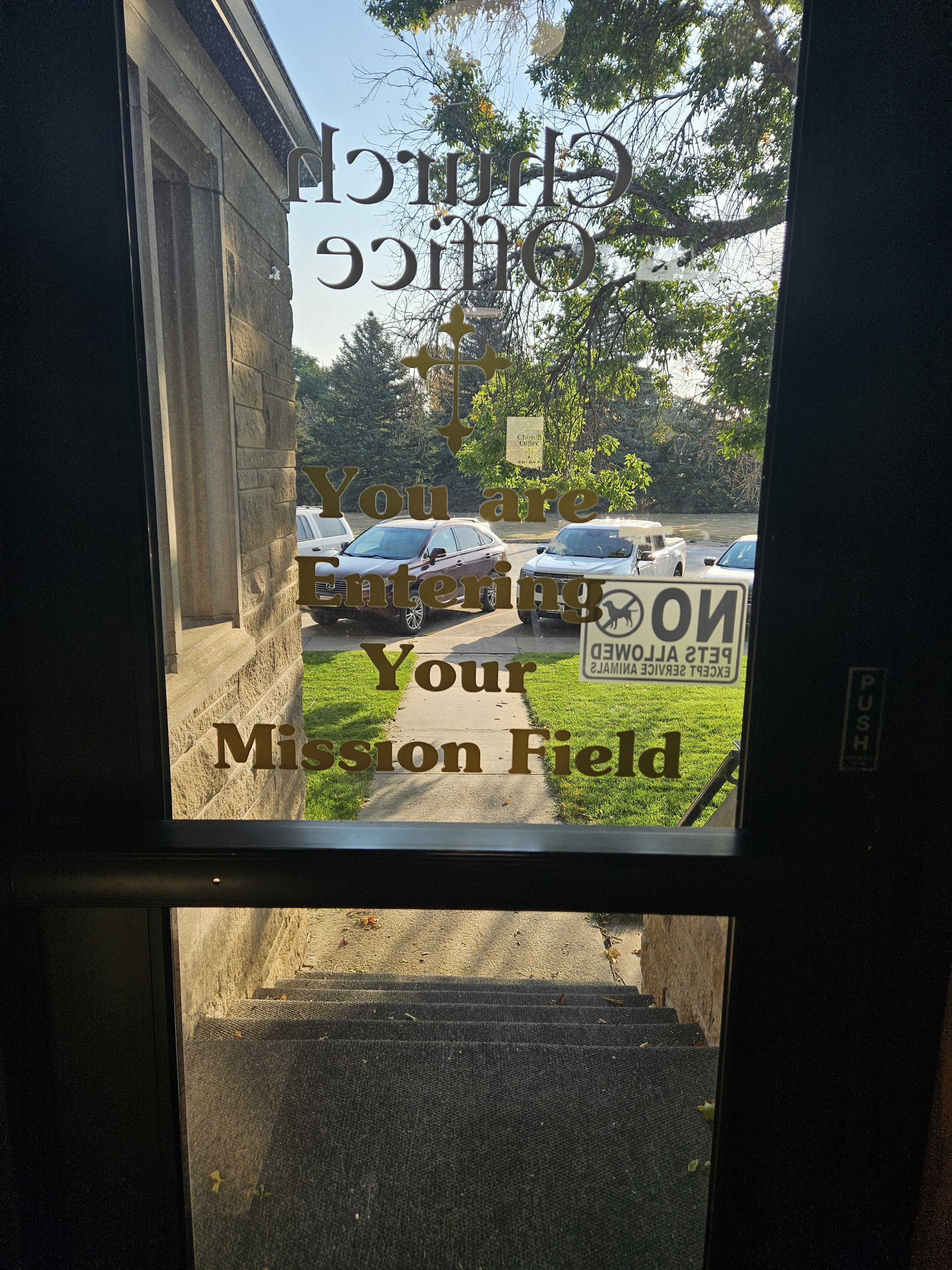
What God might be Inviting?
Holy Trinity, I have a question for you. This goes for all of you- Pastor Brenda included. What might God be up to and inviting? What might God be calling forth here with, for, in, and through you here? These are not new questions. They are questions that I know you pondered as a congregation during your journey as part of the first cohort of the Nebraska Synod’s Vitality Initiative for Congregations. They are questions which are signs of life.
I don’t know exactly what God might be up to. But I do know God is up to something. So as you come together officially as pastor and congregation, bring your questions. Bring your imagination. Bring your child-like wonder, welcome, hope, and love. Bring your full selves as disciples, stewards, and Children of God. As you do this, you will be living signs of God’s kingdom breaking-in bit by bit, here and now today for all of God’s beloved. As you do this, know too, that you aren’t in this alone. We are in relationship together as God’s people. And even more so, we are in relationship with our God in Christ who is for you, with you, and who loves you. Always. And for that we can all say, Thanks be to God. Amen.
Citations and References:
[1] Mark 10:1, NRSV.
[2] Mark 10:2, NRSV.
[3] Mark 10:14-15, NRSV.
[4] Mark 10:16.
[5] Hebrews 1:1-2, NRSV.
[6] Hebrews 2:9, NRSV.
[7] Holy Trinity Lutheran in Sidney is using Chick’s Lane’s stewardship program, “Because of God’s Great Mercy,” this year, so I wanted to plant that seed a little bit in the themes of this sermon. More information on this can be found here: https://www.elca.org/Our-Work/Congregations-and-Synods/Stewardship?_ga=2.146826743.1545931765.1728324648-605439292.1676919350.
[8] Hebrews 2:9, NRSV.
[9] Psalm 24:1, NRSV.
[10] A theme that is present in the First Lesson this week, Genesis 2:18-24, where God invites Adam into the creative process to be a co-creator with God and participant in naming and caring for all of creation.
 Timothy Siburg