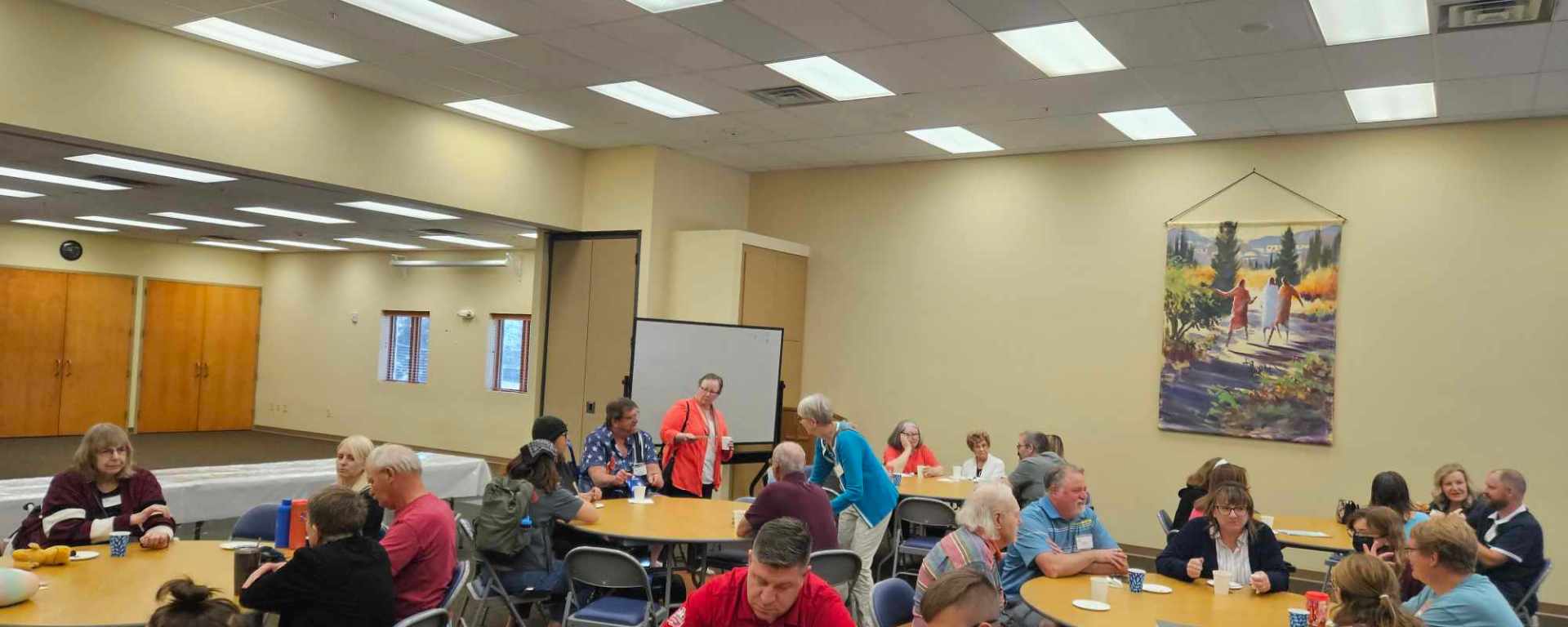

It was a joy to be with God’s people gathered as Immanuel Lutheran in Bellevue, Nebraska on Sunday September 17, 2023. I was invited to visit and preach by Pastor Paula Lawhead, and also by the congregation’s stewardship committee and vitality team. In preaching I was invited to help launch the congregation off on its stewardship emphasis for the year based on Psalm 24:1, as well as by the vitality team to share some stories out of Immanuel’s journey through the Nebraska Synod’s Vitality Initiative for Congregations. What follows is the majority of the manuscript (and below that the greetings shared) that I preached from, based on the appointed readings for the day from the Revised Common Lectionary for the Sixteenth Sunday after Pentecost: Matthew 18:21-35; Romans 14:1-12; Genesis 50:15-21; and Psalm 24 which was included as part of the congregation’s stewardship emphasis.
Grace and peace from God in Christ, who is with you, for you, and who loves you. Amen.
I already told you a little bit about me. But what you might not know is that I’m also a dad of two young girls. One who just started kindergarten and one just weeks away from turning three. They are wonderful in everyway. But as any parent might confess, not every moment as a parent is always easy. Like when having to diffuse a moment of madness and fighting and crying and screaming. When having to model forgiveness and grace. And trying to calm down so that we again might just listen to each other with love. I start there, because I wonder if that’s partly what Jesus was imagining in responding to Peter’s question about how often do we forgive. Because, either as family- parents and kids in relationship with one another, or as siblings in Christ, we know that there will be times when we don’t all agree or get along. There will be times when things get a little messy and the hurts become real. But the question is what do we do when those times come. How do we respond? And how do we find our way back to the sense of joy and love that we know because we are God’s beloved Children.
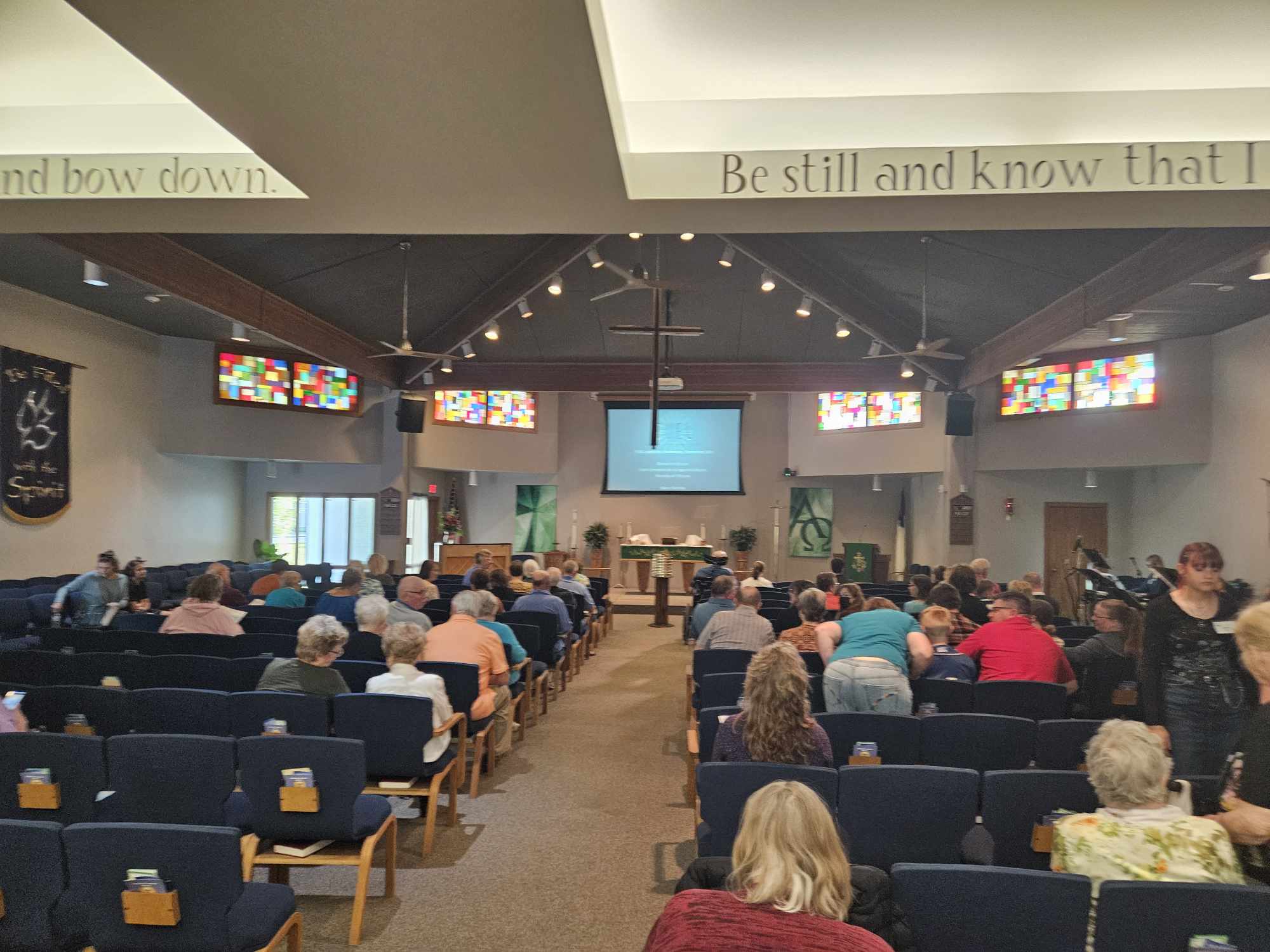
God’s Word for Us This Day
We find ourselves in the Gospel of Matthew again this week as Jesus continues to teach the disciples and all who might see, witness, and listen. Today’s story though begins with a question from Peter. Jesus has entrusted him with the promise of being the rock on which the church will be built,[1] and Peter isn’t hiding from that responsibility. Instead he asks, “Lord, if another member of the church sins against me, how often should I forgive? As many as seven times?”[2] Jesus of course says, “Not seven times, but, I tell you, seventy-seven times.”[3] We know this. And then Jesus does what he does, he teaches through story offering another parable. A story about a king, and those who might owe the king debts, and those debtors who might also be owed debts by others. Jesus describes the situation of a king forgiving the debts as, “out of pity for him, the lord of that slave released him and forgave him the debt.”[4] Debt forgiveness is biblical. It happens here in the gospel story and has its roots back in the Old Testament with the idea of the year of Jubilee, to help take care of the community, and serve as an opportunity to restore, reconcile, provide mercy and forgiveness, and rest in God’s abundance.
These facets though only go so far as the community is willing to embody them. The one forgiven in Jesus’ story by the king, then refuses to forgive another’s debt and threatens them. He doesn’t practice what he himself has preached. He doesn’t show that he has learned anything, and he definitely doesn’t embody the mercy and forgiveness that the king had hoped he would through his asking for mercy. And that story spreads. The one who had been forgiven is summoned and called, “You wicked slave!”[5] “Should you not have had mercy on your fellow slave, as I had mercy on you?”[6] It’s a rhetorical question with an obvious answer we all know. YES, of course. For that is what forgiveness looks like. We need to forgive, because we ourselves are forgiven. Forgiveness is really an example of God’s abundant love and grace. There is no limit to it. It’s not scarce. It’s meant to be shared. The problems with it come when we hoard it, or refrain from sharing that love and grace. And based on Jesus’ story, woe to us if we miss that lesson. This matters.

It’s a reminder too that we can’t do this on our own. We’re not supposed to, because we are not on our own. Paul writes in his letter to the Romans that we heard today, “We do not live to ourselves, and we do not die to ourselves. If we live, we live to the Lord, and if we die, we die to the Lord; so then, whether we live or whether we die, we are the Lord’s.”[7] We are the Lord’s. Hold onto that, because we’re coming back to it. But as Paul writes about this, he is also explaining that God’s beloved are forgiven because of the one who gave himself for us. And in the gospel this week, Jesus himself is telling a story that is very much central to his theological convictions. Trying to paint the picture of what it might look like to live out forgiveness that spreads and grows, and through God’s deep and abundant love, will not only change the world, but save the world.
It’s a deep thing. This love and forgiveness can overcome even the greatest hurts and pains. The hurts and pains like the broken and estranged family which betrayed Joseph and sold him into slavery. But that over time, reconciliation would happen as Joseph would be taken care of through God’s deep love and then years later be able to not only forgive his brothers but care for his family through God’s provision. It’s only through God’s love though that Joseph would be able to say to his brothers, “Do not be afraid! Am I in the place of God? Even though you intended to do harm to me, God intended it for good, in order to preserve a numerous people, as he is doing today. So have no fear; I myself will provide for you and your little ones.”[8]
That act of forgiveness must have been freeing for his brothers, but maybe even also, for him. To free him of the years of anger he might have held against those closest to him. He didn’t let that have the final say. He found a way forward. Now that is not to say that there aren’t hurts and brokenness which are justified to break-off relationships. Please don’t hear me condoning violence, abuse, injustice, or anything like that. If that is happening, that is not so easily or rightly forgiven. There needs to be change. Jesus is not saying to those who are being hurt, just keep getting hurt or stay in a dangerous situation. But I believe he is talking in more general terms about day-to-day relationships and where, we might fall short. To come to terms in those situations and forgive with God’s help. And these stories today provide hope, that through God’s love, even the seemingly most hopeless situations could end up leading to reconciliation over time.
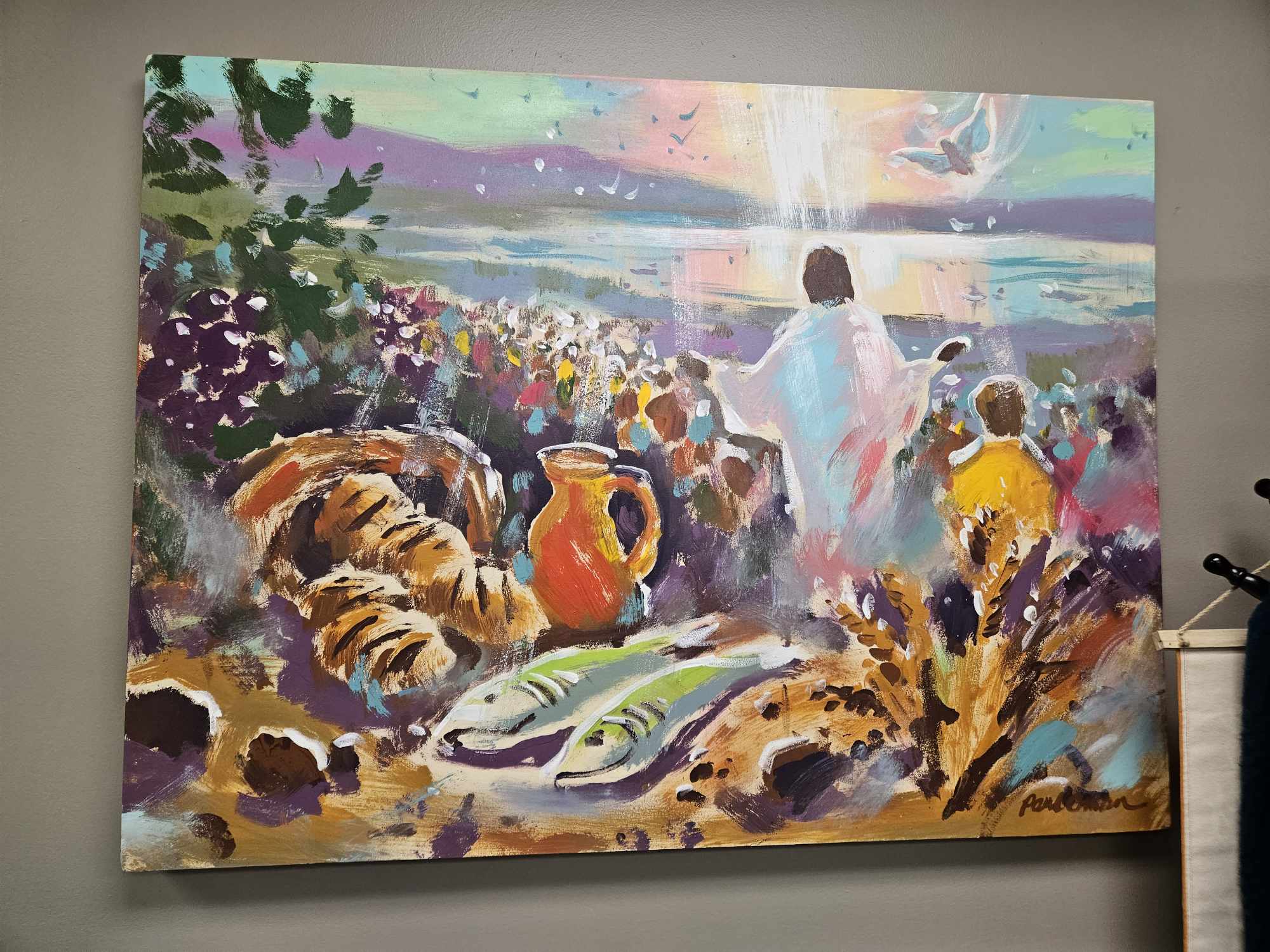
Stewardship Kickoff- “Generous Response”
The king in Jesus’ story is trying to embody God’s generosity of love and abundance. That love and abundance ultimately is grounded in the reminder that you, are God’s. I am, God’s. We are God’s. Paul writes that “We are the Lord’s.”[9] But he isn’t the first one to write that.

He may as well be quoting from the psalmist who begins Psalm 24 by saying, “The earth is the Lord’s and all that is in it, the world, and those who live in it.”[10] Yes. You are the Lord’s, and I am the Lord’s. All creatures, people, and all that are in the earth and the world, are the Lord’s. Put another way. All that we have, and all that we are, then too, are the Lord’s. It’s so fitting that this is your stewardship focus passage, Immanuel. Because for me, Psalm 24:1, is very much where an understanding of biblical stewardship begins.
If all that we have and all that we are, are God’s, what does that really mean? It has implications for every facet of life because all means all here. It means everything that God has entrusted to God’s beloved. Everything that makes you the unique, beautiful, and beloved Child of God that you are. Your strengths, passions, ideas, hopes, dreams, questions, and vocations. Your health, bodies, time, talents, treasures, and assets of all kinds. And all of creation that surrounds us and we’re a part of, is part of this too, having been entrusted to our care way back at the start of Genesis with Adam and Eve in the garden.[11] All of this and more is entrusted into our care. And then the question that follows is why?
Why does God entrust? First and foremost, because of God’s deep love. Out of that great and abundant love and mercy that no one could ever do anything to earn or deserve, God provides life itself as pure gift and grace. That’s who God is, and God entrusts then to God’s beloved out of all of that with an earnest hope that life might go well- but also that it might be deeply meaningful. That’s the life of discipleship. The life of being a follower of Jesus. A meaningful life, but one that because the cross is at the center, we know won’t always be easy. But we’re not alone in it. So God also entrusts to us, because God wants to be in relationship with God’s people and in turn that God’s people might be in relationship with one another. You lived this out as you celebrated with your dunk tank fun last week and the whole church participated in ‘God’s Work, Our Hands Sunday,’ God does indeed work with, for, through, and in you and each of God’s beloved. Think about that. God works with and through you. Because of this- you are not alone, and you are enough. We are all enough because it is God who walks with us, and who entrusts us with all that we have so that we might have a meaningful life, but also so that our neighbors might have what they need too.

So we lean in. And respond. We respond joyfully and generously. Your congregation’s new discerned value of “Generous Response” is perfect. We have all that we need to do whatever it is that God might be inviting. There is abundance in God, not scarcity like the world might try and convince us. Because you are the Lord’s you are enough.
Making it Real- Vitality Initiative
Immanuel, I think you know this, and dare I say it, am I preaching to the choir? I have heard about you and walked with you as part of your congregation’s journey in the Vitality Initiative. Through it your congregation dug into big questions of identity, like “who are you?” Into questions of relationship, mission, and stewardship, like “Who are our neighbors?” And into questions of vision, discernment, and experimentation, like ‘What Might God be up to?” And ‘What might God be inviting us to be a part of next?” Through it all your vitality team faithfully discerned about your unique congregational vocation and leaned in, and your congregation joined in and responded and experimented. And your team helped you as a congregation to begin to connect the dots. And I know that work continues.
Manny’s Kitchen moved from just being a new ministry to an on-going part of who your congregation is. You looked out and met your neighbors where they are at, through collections for laundry detergent and quarters to respond to a need for laundry help. You participated in a diaper drive to help young families make ends meet and help life be just a little easier. This past summer and even now, you have embarked on the creative “Decorate Your Lunchbox” Initiative. A few of you began wondering, how much lunch debt is there in the Bellevue School District? You raised the question out of your awareness for your neighborhood and the realities of food insecurity and found that there was about $130,000 of debt in the Bellevue Schools just for school lunches. So you stepped up. This is a justice issue. But it’s also a forgiveness issue, one Jesus is talking about perhaps to Peter and the disciples this week. The need to forgive. And you helped make that happen. You designed these lunchboxes with great creativity and care, celebrated the designs, and all the while filled them with and collected heavy loose change totaling more than $727.00 in coins, and with other monetary gifts, raised at least $3,400 so far. You did this in just six weeks. And because of you, 100% of the lunch debt of your neighboring elementary school will be wiped out and forgiven. And that probably will also mean 100% of your nearby middle school’s lunch debt will be too. That’s amazing! Talk about a generous response. Thank you!
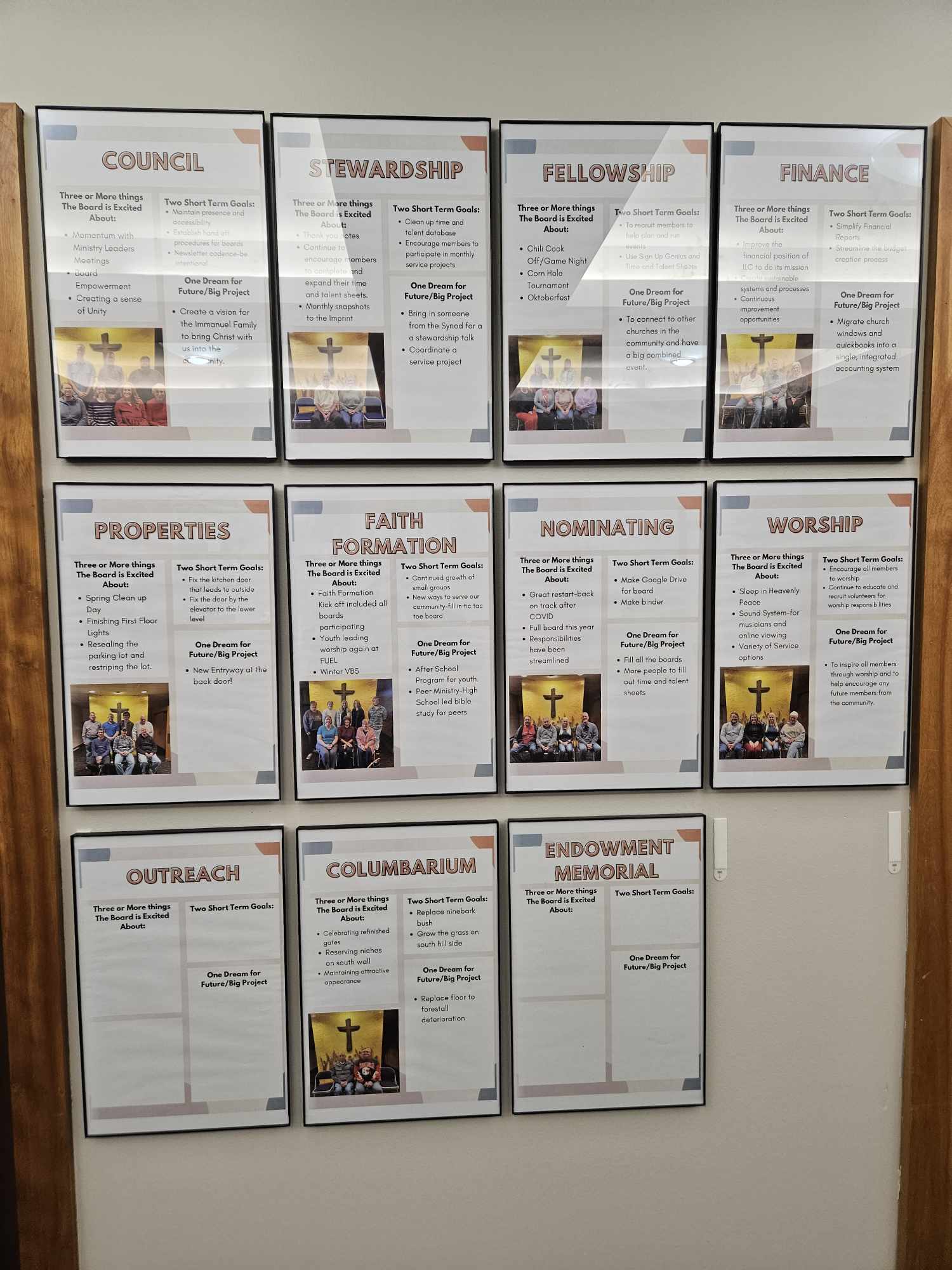
And you’re not done. You’re leaning into what’s next. Your newfound interest in vitality is helping you look out. Your congregation is working to design a toolkit to share what you have done and learned with neighboring congregations, in the hope that together the positive change in the larger community will be multiplied. And you will continue as a congregation with your Vitality Committee to pay attention to the needs of those around you, and to continue to discern about who God is calling you to be and inviting you to be a part of next. That’s discipleship. That’s stewardship. And that is what is really possible when we remember Jesus’ call to forgive not seven, but seventy-seven times. To remember that you are the Lord’s, and in remembering that, to lean on trust of God’s abundance, and to respond for all that God has done, will do, and promises to do for you, generously and joyfully.
What Might Be Next?
Next week in worship you will be invited to begin considering your own commitment and response for the year ahead. Thank you in advance for doing that. But most of all, thank you for all that you do and make possible as God’s people. Through you, with you, and for you, God’s work is done. And I am grateful for each one of you for the ways that you help show that God’s love is real.
Continue to pay attention. To wonder. To imagine. To experiment. To try new things. To learn and grow and serve. These are parts of your congregation’s DNA and have only become clearer through your vitality journey. They are also marks of faithful stewardship and of listening again to Jesus’ parable today about a merciful king who forgives. We’re called to go and do likewise. So keep doing what you can. Always err on the side of abundance and grace. Because if all that we have and all that we are, are God’s, then how can we not?
That’s really what life is all about as we live out the truth and promise that God is with you, for you, and loves you. Thank you for leaning in and for your generous response. And thanks be to God who makes it all possible and walks with us always. Amen.
Citations and References:
[1] Matthew 16:18, NRSV.
[2] Matthew 18:21, NRSV.
[3] Matthew 18:22, NRSV.
[4] Matthew 18:27, NRSV.
[5] Matthew 18:32, NRSV.
[6] Matthew 18:33, NRSV.
[7] Romans 14:7-8, NRSV.
[8] Genesis 50:19-21, NRSV.
[9] Romans 14:8, NRSV.
[10] Psalm 24:1, NRSV.
[11] See Genesis 2.
Greetings that I shared early on in worship during announcements:
Good Morning Immanuel! It’s so great to be with you! Thank you to Pastor Paula, your congregation’s stewardship committee and your vitality team for the invitations, and to all of you for the warm welcome. Again, I’m Deacon Timothy Siburg- your synod staff partner in ministry for Mission, Innovation and Stewardship. In being with you today I bring you greetings from Bishop Scott Johnson and from all of my colleagues and your partners in ministry on the synod staff, and also from one of your own who also serves on the Nebraska Synod Council, Tanny Akerson. I also bring you greetings from your 90,000+ siblings in Christ who with you are the Nebraska Synod. I’m excited and grateful to be with you today to ponder a bit about what God might be inviting us to see and wonder in the Word, to help kick off your stewardship emphasis for the year, and of course to celebrate with you the on-going work, discernment, and experimentation your congregation has embarked upon through its journey as part of the Nebraska Synod’s Vitality Initiative for Congregations.
Right up front, I do want to share an additional thank you. Thank you to all of you for the life-changing ministry that you do here, and that you make possible by being part of this church, the Nebraska Synod, and the ELCA together. I know this most clearly through your congregation’s continued participation in mission share. Mission share is the undesignated offering that your congregation shares with the Nebraska Synod and the larger ELCA through which you do ministry that spans the globe and really does change lives.
Whether it be through raising up new leaders of the faith to walk alongside God’s people as pastors (like Pr. Paula, and your own Joanna who was recently approved for call), deacons, or parish ministry associates. By helping younger Children of God know of God’s deep love for them, in part through Nebraska Lutheran Campus Ministry and Nebraska Lutheran Outdoor Ministry. By sending missionaries around the globe and supporting new and renewing ministries and resources right here closer to home, including resources and experiences like the Vitality Initiative, Emmaus life-long learning opportunities, and the “Go and…” focus the congregations of the synod have embarked upon together for the current year. And through the many serving arm partners of the church who walk with God’s people in need, ministries like that of Mosaic, Lutheran Family Services, and Lutheran Disaster Response, to name a few. All of this and more you make happen through your mission share. So on behalf of your siblings in Christ near and far, thank you, thank you, thank you!!!
Thank you for being part of the larger church and for all that you do as you live out your faith through what I know is one of your congregation’s discerned values of a “generous response.” Okay. That’s enough. It really is a joy to be with you today, and I’ll save most of my message for the sermon. And look forward to conversation and learning after worship too.
 Timothy Siburg